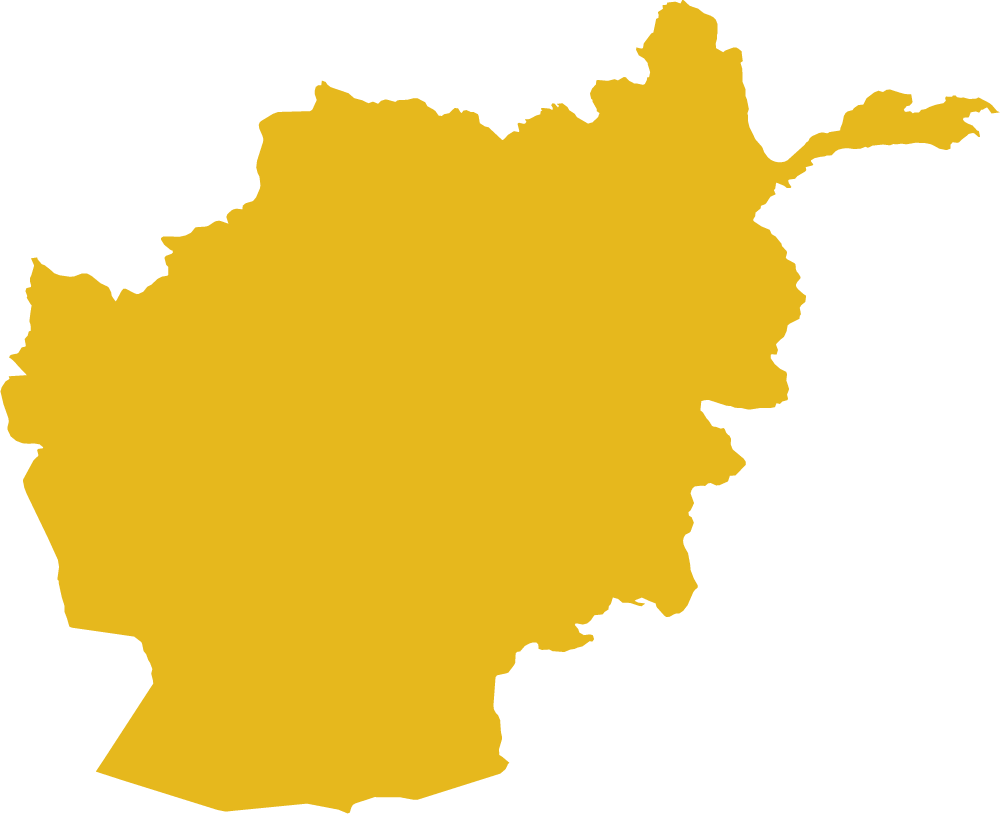
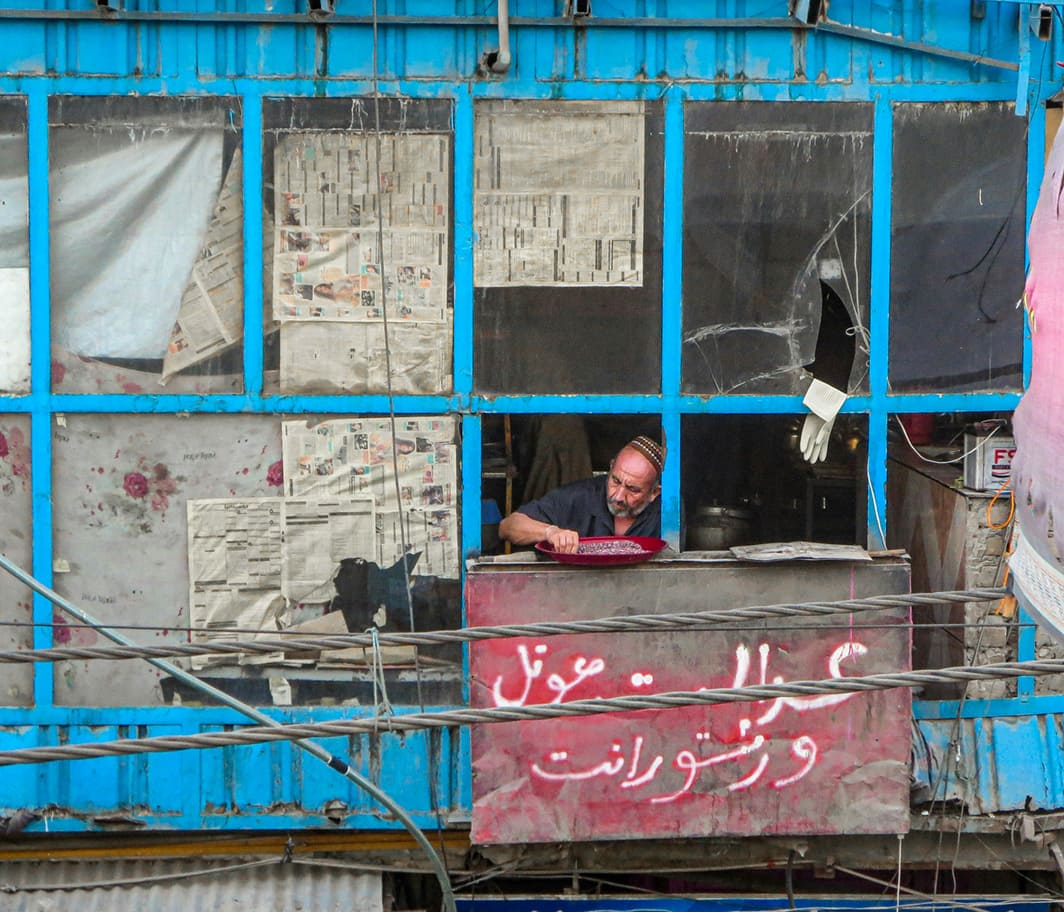
Afghanistan is a landlocked country nearly six times the size of Virginia. Its proximity to Asia, Europe, and the Middle East has historically made it a sought-after prize for trade route purposes, but its formidable landscape and multiethnic peoples has prevented not only other countries from conquering it but has also hampered its ability to form a cohesive and peaceable government. As a consequence, the Afghan people have suffered centuries of instability and violence.
Afghans rely primarily on agriculture to survive, including opium production. But decades of war have forced the urbanization of much of the population. In addition, those raised in refugee camps lack the farming skills necessary to support themselves. The World Bank estimates that households who are unable to meet basic food needs more than doubled from 16 to 36 percent in 2022.
In August 2021, after 25 years of a US-led coalition government, the Taliban, a hardline Sunni Islamic group, retook the country. Since their return to power, the people have continued to suffer severe economic hardship that is exacerbated by natural disasters such as floods, earthquakes, and drought, as well as by the country’s lack of healthcare, legal, and financial infrastructure, and sanctions imposed by the international community due to the Taliban’s takeover.
The Taliban have implemented increasingly severe restrictions on women and girls, as well as on those with minority religious beliefs. Not only have they forbidden women from showing their faces or speaking in public, but they have also established a rule of law that represses and punishes those who refuse to follow the Islamic religion.
Only 0.02 percent of the population are Christians, and to follow Christ here can result in a death sentence. According to law, conversion from Islam to any other religion is apostasy, for which the punishment for men is beheading, and for women, life imprisonment. Blasphemy, which includes writings or speeches made against Islam, and evangelism with the intent to convert others are also capital crimes, and violators may face the death penalty.
Christians in Afghanistan risk their lives to follow Jesus, but the underground church continues to survive, despite the danger. One ministry focuses much of its evangelism and discipleship on online channels, including social media.
Sources: Joshua Project, Encyclopedia Britannica, World Bank Group, Amnesty International, Office of the Director of National Intelligence, CIA World Factbook, The Guardian, Office of International Religious Freedom