Nearly three times the size of Texas, Mexico is comprised of rugged mountains, coastal plains, and desert. Its western coast runs along the Ring of Fire in the Pacific, a belt of active volcanoes and earthquake epicenters. On its eastern coast, Mexico shares the Yucatan Peninsula, which divides the Gulf of Mexico from the Caribbean Sea, with the southern bordering countries of Guatemala and Belize.
Though Mexico has the 11th largest economy in the world, many Mexicans are underemployed, earn low wages, and have few opportunities to advance in their jobs. Despite this reality, thousands of migrants from Central America cross the border to find work in Mexico.
Mexico is a major drug-producing nation—it is the world’s third largest producer of opium—and drug-transit nation, as drugs are trafficked from South America into the United States.
Nearly 89% of the population identifies as Roman Catholic. Most practice a blend of Catholicism and animism. Christian Aid Mission assists indigenous ministries that are reaching the many tribal communities in Mexico that have no understanding of the gospel.
One such ministry works in Oaxaca State, the most ethnically diverse entity in the world. In one 36-square-mile area of the state, more than 200 languages and dialects are spoken. Half of the indigenous language-speaking people in Oaxaca do not speak Spanish. For centuries, Oaxaca has escaped all foreign influence, including the Spanish conquest, and is an exceptionally difficult mission field. Outsiders are treated with suspicion and even hostility.
The ministry helps train and place native missionaries in tribal communities as carpenters, bakers, literacy teachers, etc. Christian Aid Mission provided them with funding to open a carpentry shop so that missionaries could make connections with a tribal community by equipping poor villagers with an income-generating skill.
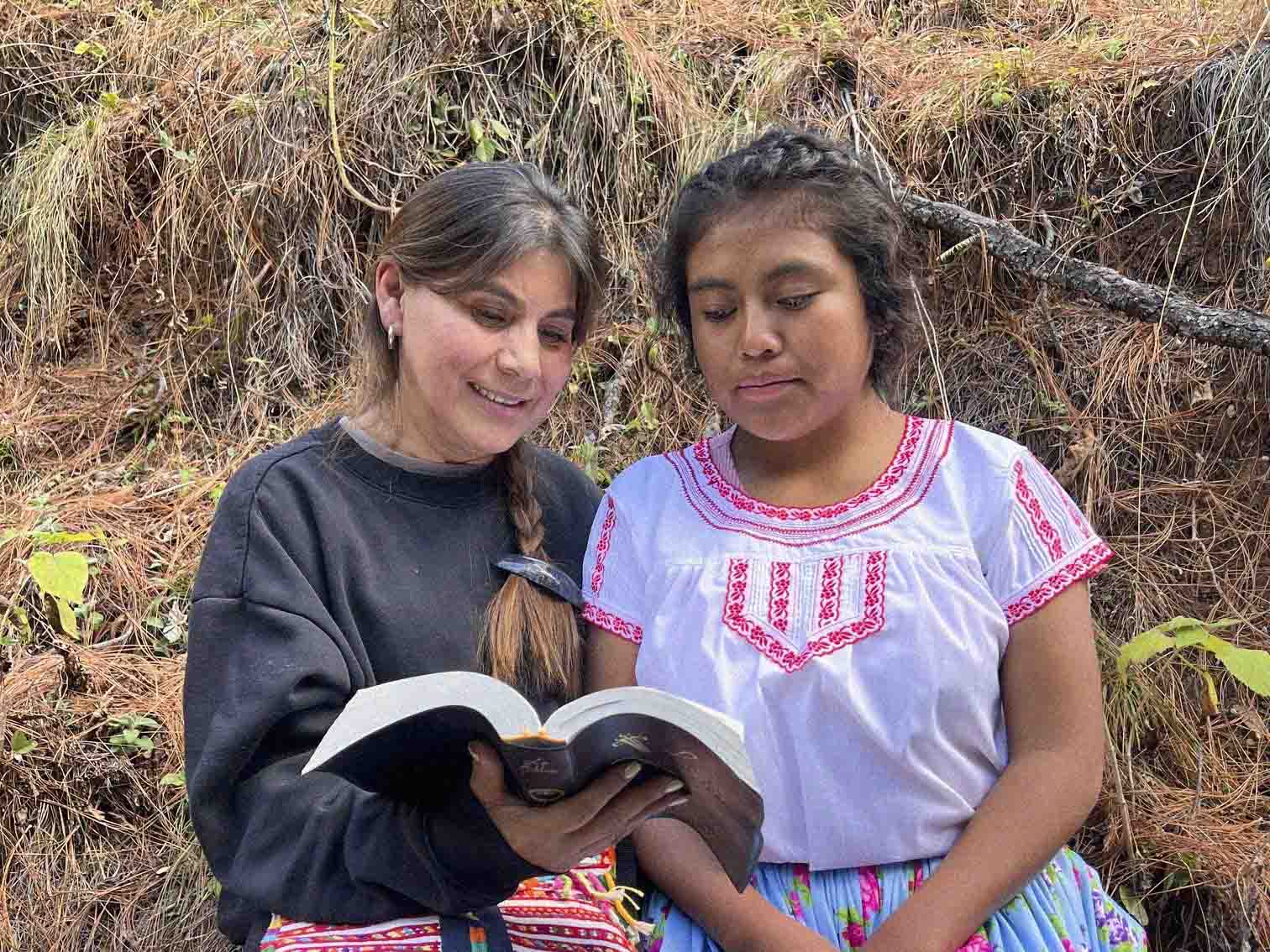
The native missionaries either know or learn the tribal languages to build relationships and share the gospel in villagers’ mother tongue. They then translate portions of Scripture from Spanish to the tribal language. The ministry has planted several churches among tribal groups and reports significant changes among these groups. In one of those groups, where women were frequently abused by their husbands, the ministry leader wrote, “The beating of women has dropped significantly. Best of all, the authorities are supporting our work.”
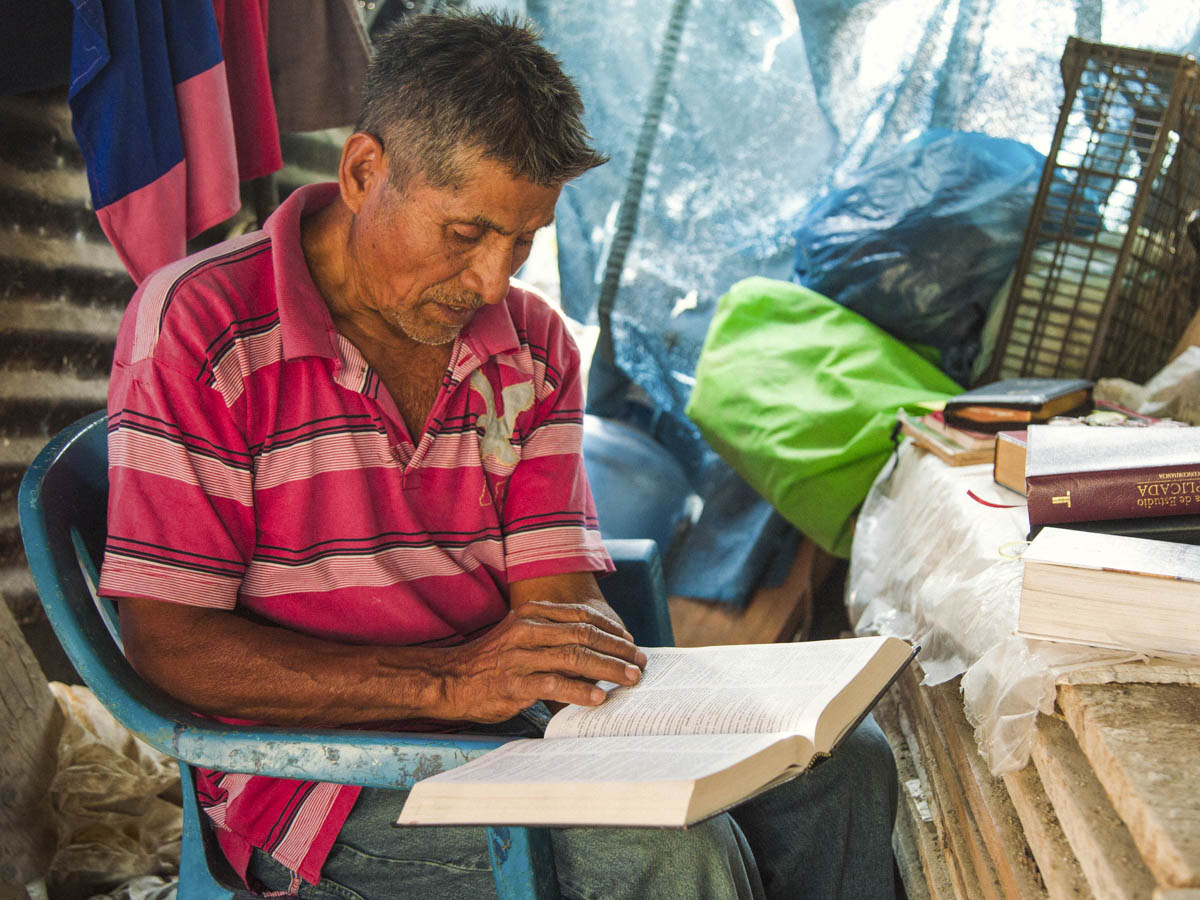
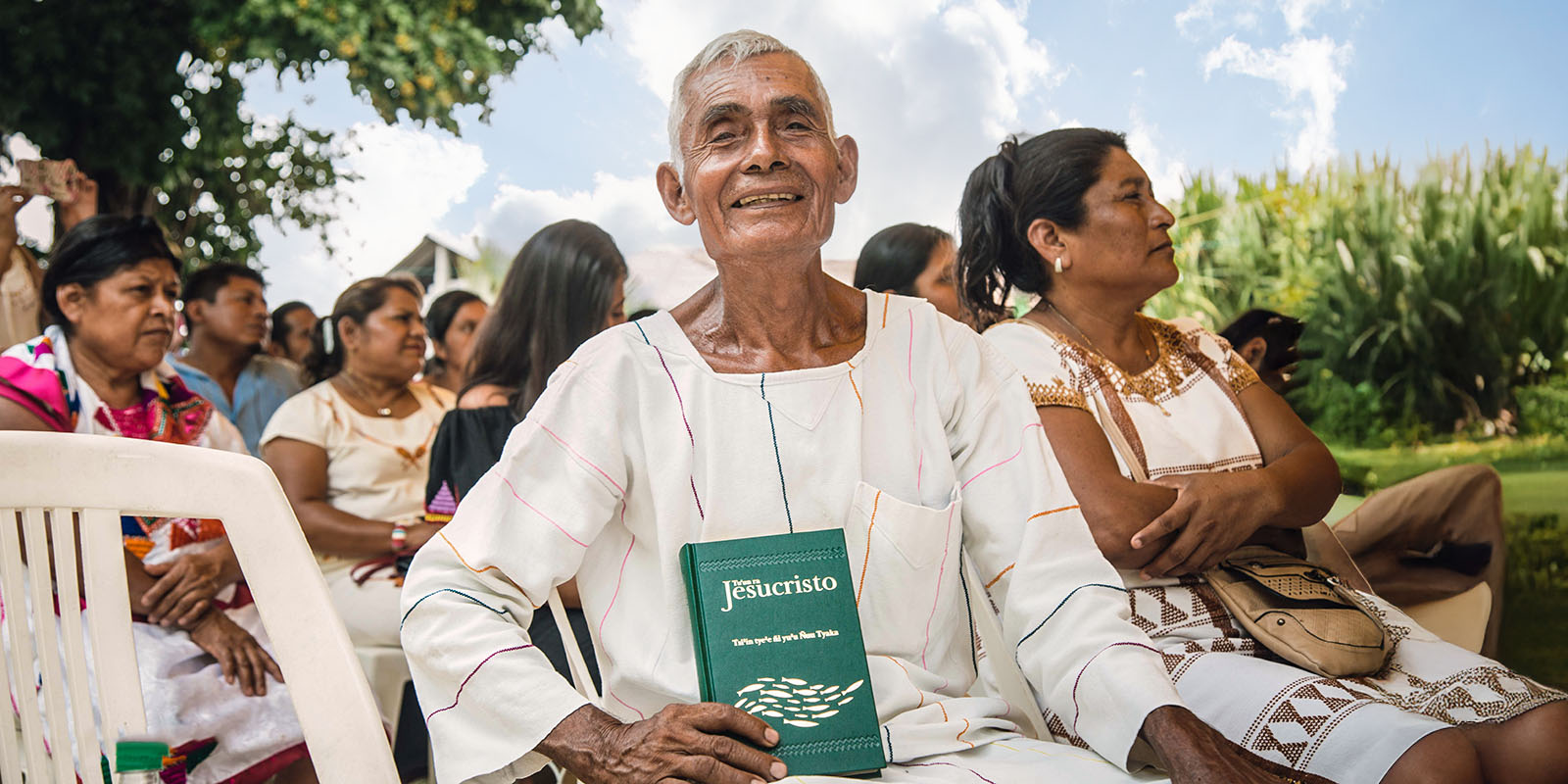
Another indigenous Mexican ministry is working to translate the Bible into the languages of 22 tribal groups. The leader of this ministry reports, “Through this type of ministry we have been able to see during the last 20 years that the ethnic peoples are redeemed for God, receive dignity, education, inclusion in different areas. It is wonderful to see the miracle of redemption in ethnic indigenous peoples and how they are dignified through the Word of God in their own languages.”
Sources: Joshua Project, CIA World Factbook, Etnopedia