Partner with Local Missionaries in Colombia

Colombia

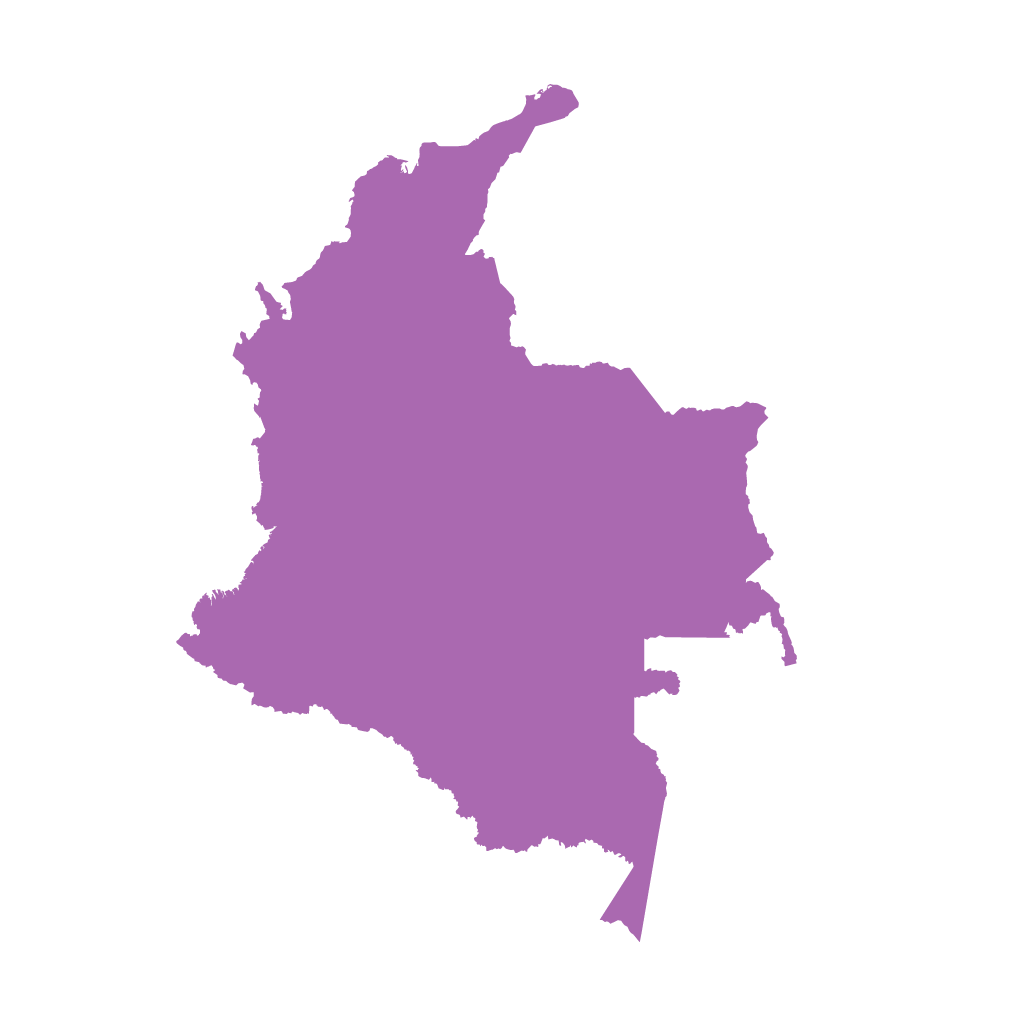
Nicknamed “The Gate to South America” for its connection with Central America, Colombia straddles both Atlantic and Pacific Oceans. Sparsely populated grassy savannah in the east consumes almost 60 percent of the country, while the northern limit of the Amazon Basin stretches across the southern half of the country. Most of Colombia’s population live in the Andes-dominated western interior and along the northern coast.
Mestizos and Europeans make up the majority of the population, while Amerindians and Afro-Colombians form smaller minorities. Together they are overwhelmingly Roman Catholic, with ethnic religions and witchcraft persisting in most remote tribal areas.
Colombia has some of the worst income inequality in the world, and nearly a third of Colombians fall below the poverty line. Indigenous people suffer disproportionately, some lacking or having limited access to basic services such as water, electricity, healthcare and education.
Indigenous people and Afro-Colombians also suffer the most violence from guerrillas, paramilitary groups, and Colombian security forces, who have committed wide human rights abuses including kidnappings, killings, and rape. These groups have displaced nearly 8 million Colombians since 1985 and continue to force thousands of new displacements each year. Many are funded by lucrative drug trades and extort money from the very victims of society they claim to defend. Colombia’s vast drug trade is the second largest supplier of heroin in the U.S. market and supplies nearly all of the cocaine in the U.S. market and most international markets.
Hope and Redemption through the Gospel of Christ
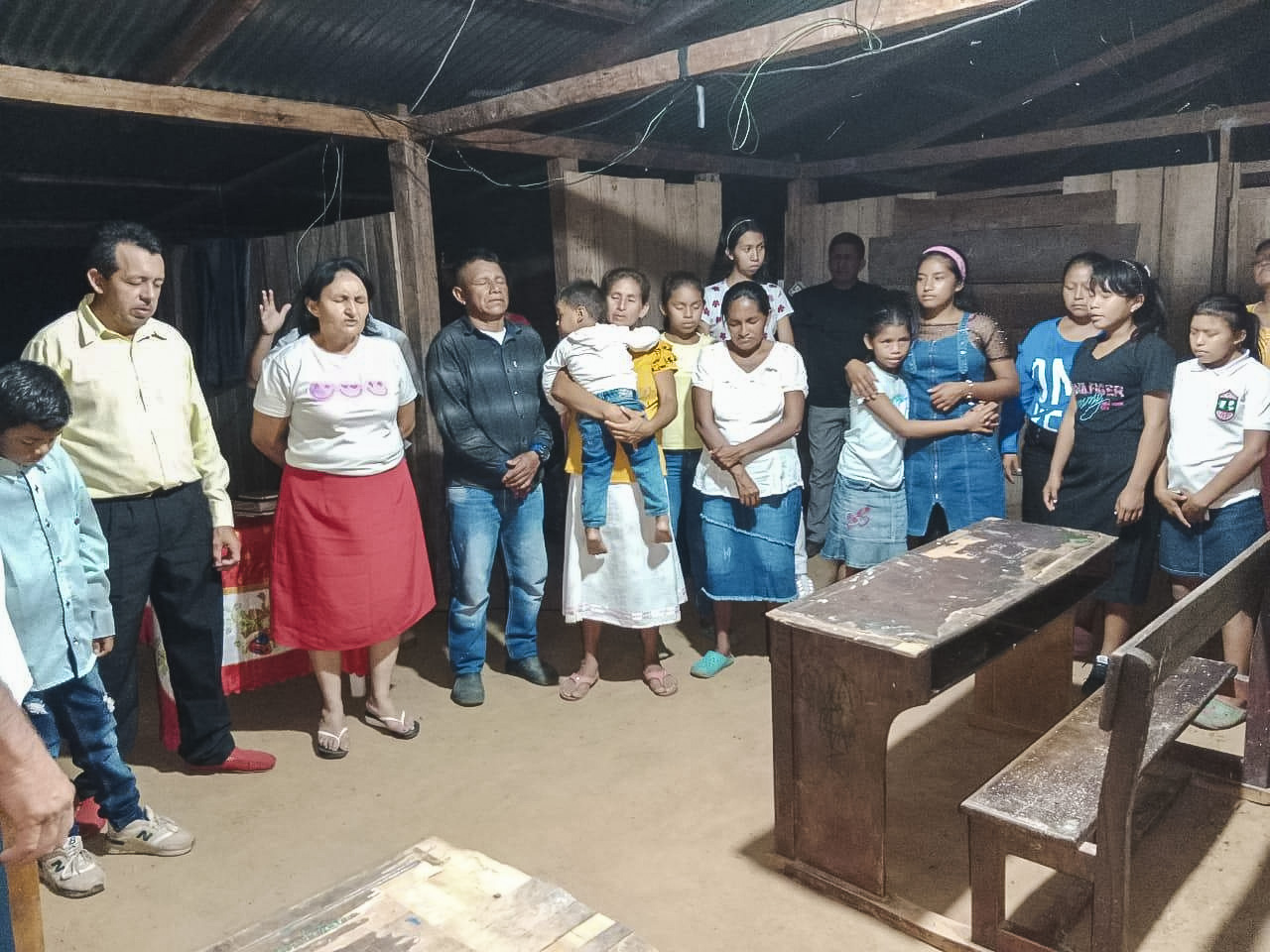
Amid this turmoil, a native ministry has a vision to bring peace by sharing the hope of Jesus Christ in remote areas of the Colombian jungle afflicted by poverty and controlled by illegal armed groups.
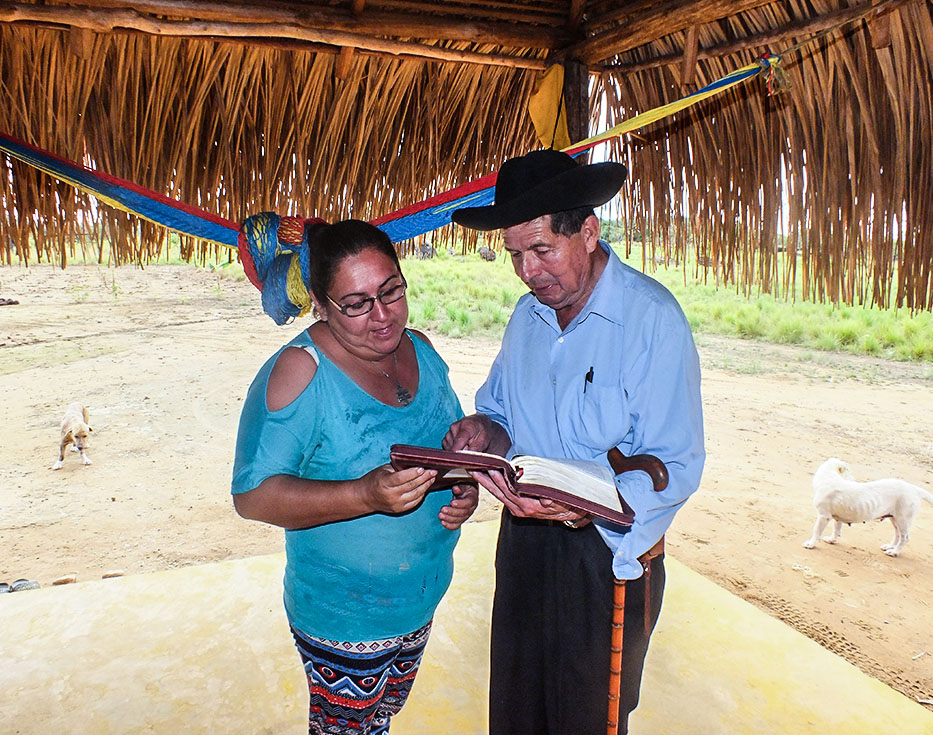
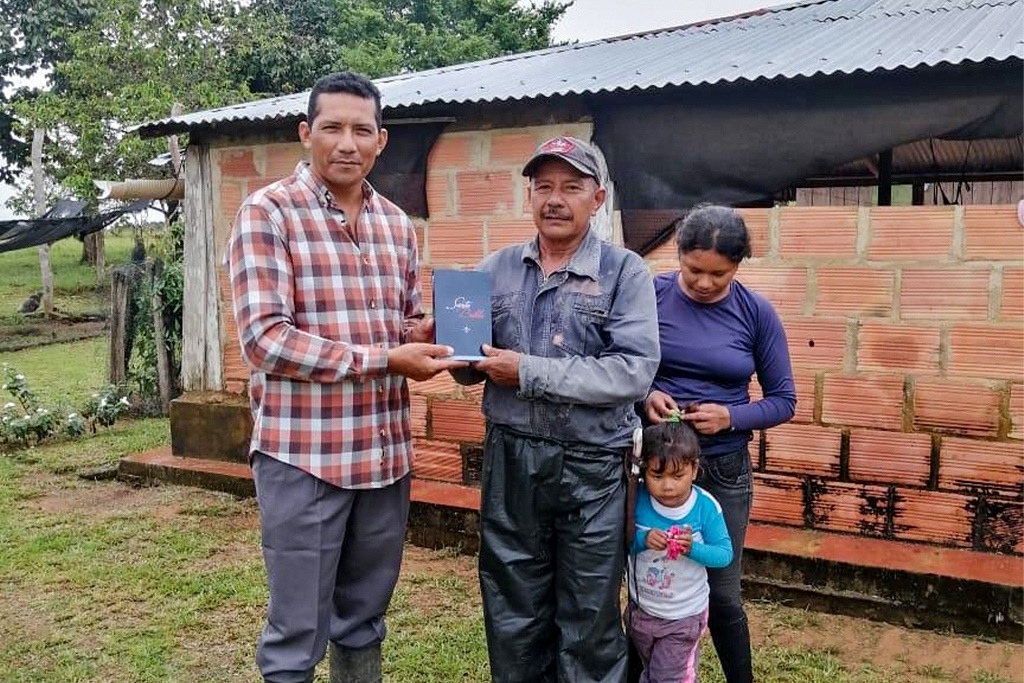
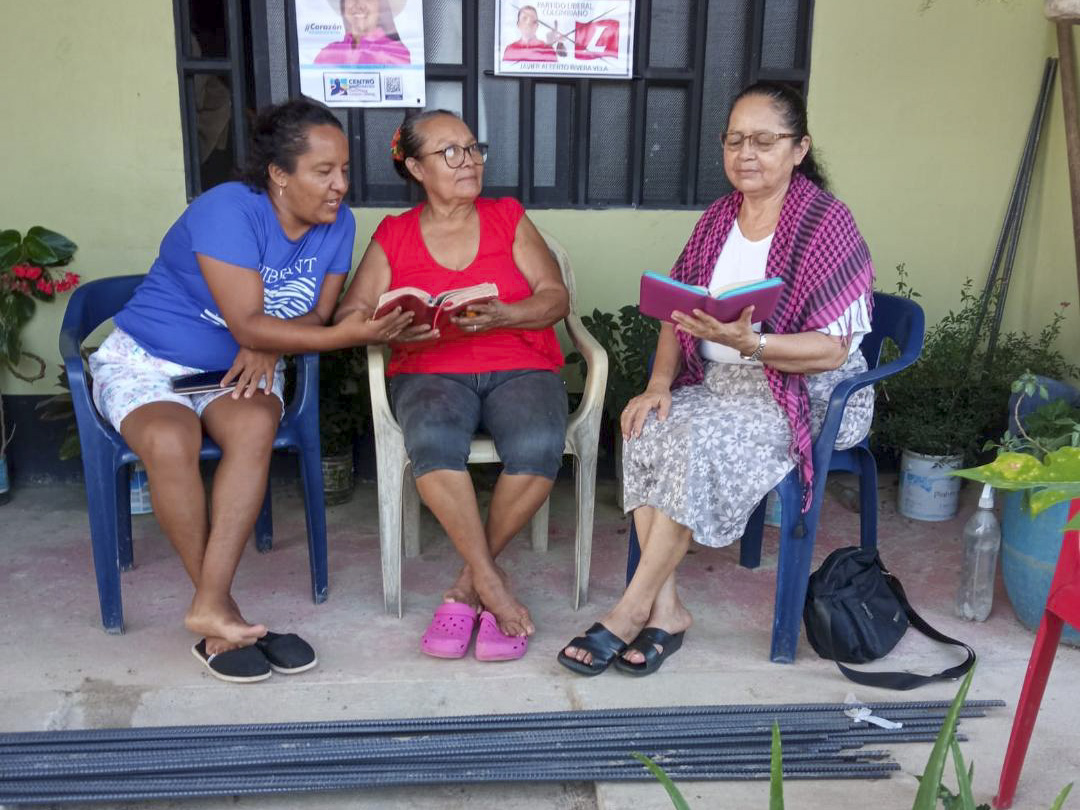
Striking out into the thick jungle on foot, by bicycle, motorcycle or canoe, missionaries visit indigenous tribes such as the Sikuani, Guahibo and Piapoco home by home. They especially target areas with no churches and where the gospel has never been preached. Through continued visits, they establish Bible studies and church plants. The ministry has now planted over 80 churches.
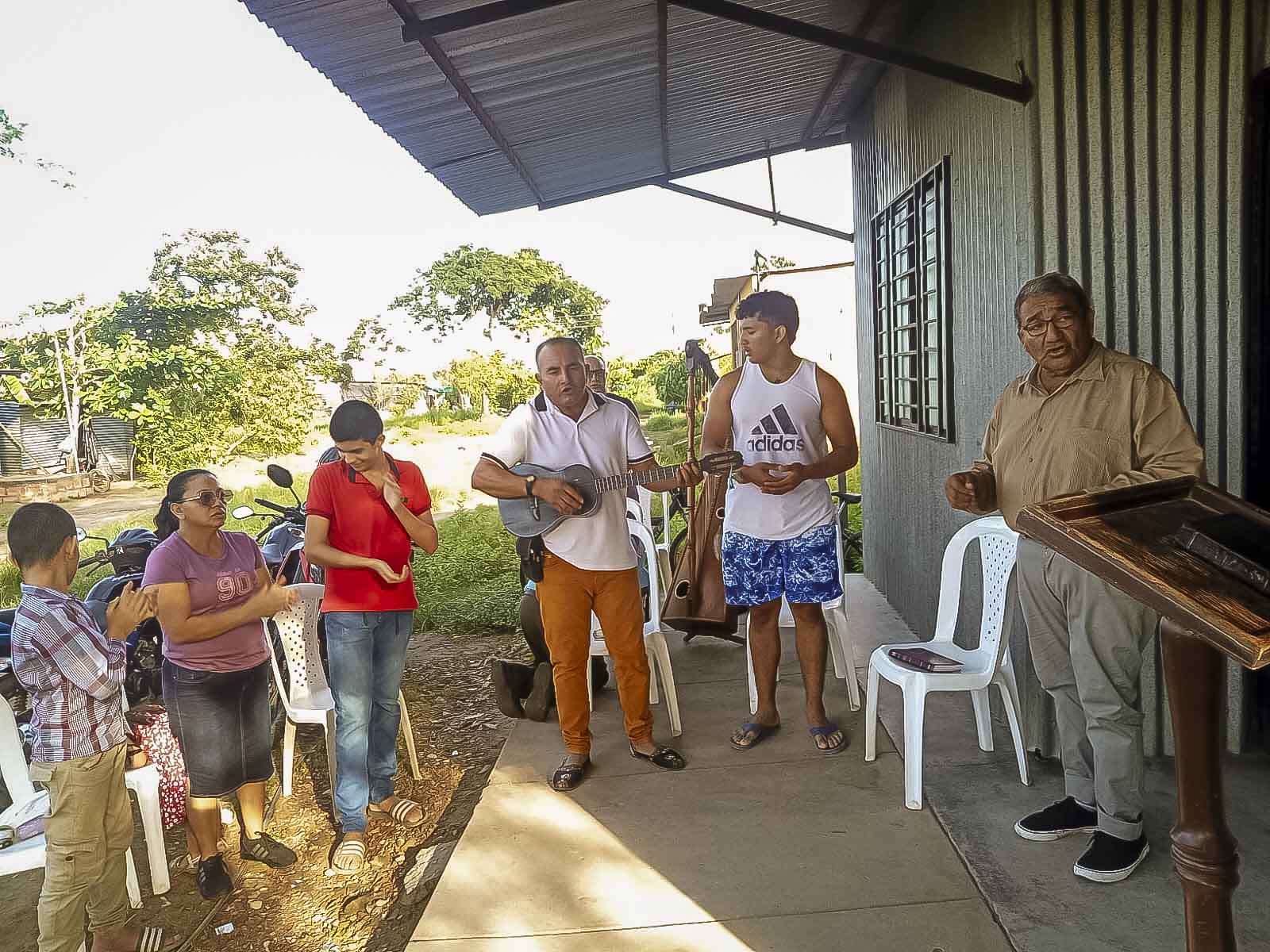
During Sunday school classes, gospel workers distribute food and clothing to destitute children. Many choose to follow Christ, and through their witness entire families have been saved. In fact, these Sunday school classes often become the seeds of a new church.
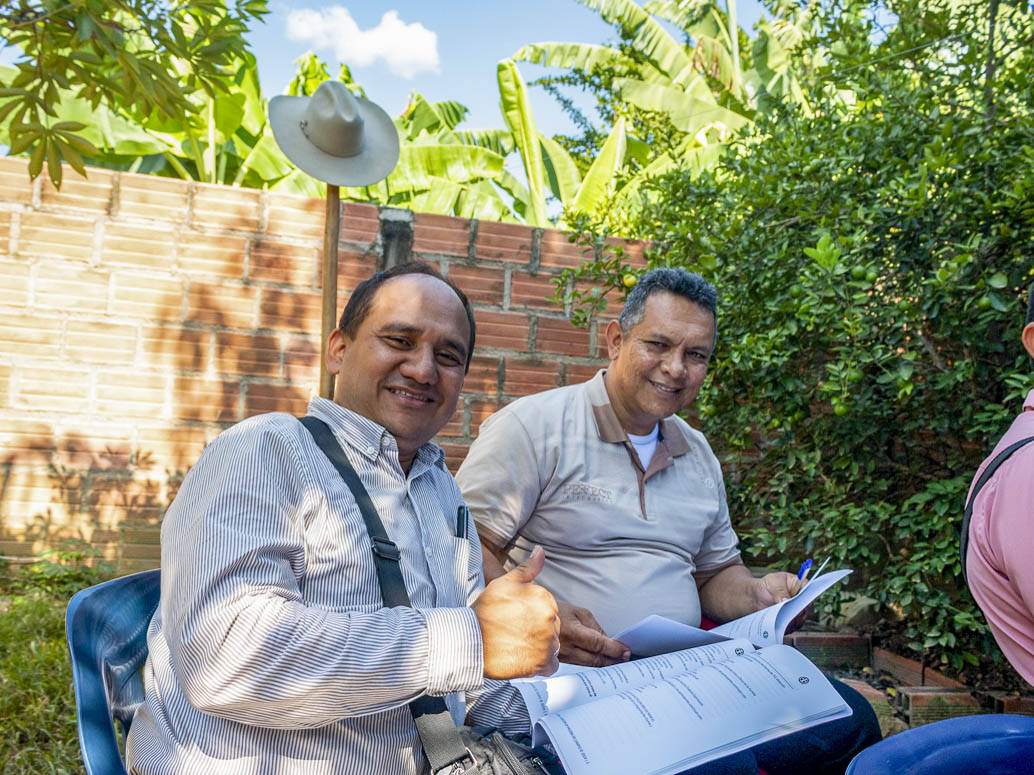
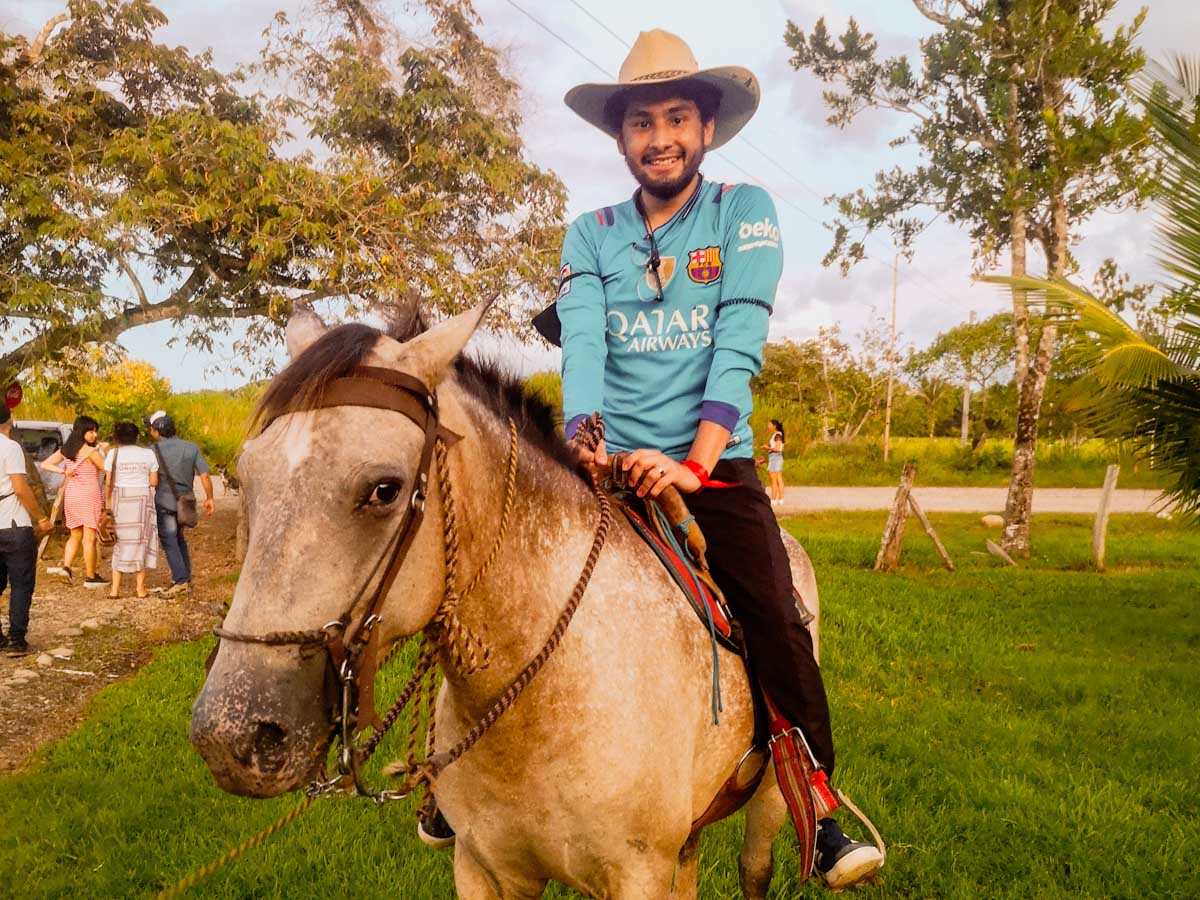
In addition to local discipleship, the ministry holds Bible training conventions. Believers throughout the region make great efforts to attend, crossing waters and traversing muddy roads on horseback, by bicycle, motorcycle, canoe, car and bus. Some spend two or three days on the road with the sole purpose of learning new knowledge and strategies to perform the Lord’s work with excellence.
As God works through this ministry, they see His miracles—a witchdoctor-turned-missionary, guerrilla fighters laying down their weapons for Christ, and village communities once controlled by witchcraft and drug addiction now living in harmony and rejoicing in God’s love.
Sources: Joshua Project, CIA World Factbook, Human Rights Watch, Etnopedia

50.2 million

Population

10.66%

Evangelical Population:

119

People Groups:

92

Unreached People Groups:

How to Pray for Colombia

  • Pray that the gospel of Jesus Christ would spread, transforming indigenous communities.
  • Pray that God would protect missionaries facing the daily threat of bandits and illegal armed groups.
  • Pray that He would raise up more workers for His harvest so that this ministry can fulfill its vision to reach new areas it hasn’t yet had capacity to.
  • Pray that God would provide the wisdom and resources needed to continue in ministry, including support for gospel workers, shoes and clothing for children in severe poverty, monetary support for the children’s families, and a church building for new tribal believers along the Venezuelan/Colombian border.

More stories from Colombia

Help Multiply Workers for the Cross in Colombia
In its efforts to bring the gospel to indigenous people, workers from one local ministry diligently continue to build churches and train leaders, missionaries, and pastors who then become responsible for pastoring, preaching, and spreading the gospel in their own communities. “This way of working has allowed us to expand our impact to more than 70 indigenous communities,” the ministry leader said. “Thank God for the beautiful work being carried out in these indigenous regions.” Your donations support such gospel work.
Help Power Gospel Proclamation in Colombia
A 48-year-old man with a short temper was rude and aggressive to his wife and children until native Christian workers began sharing the gospel with him, and he received the Word of God and opened his heart to Christ. The kindness he showed to his family and others led to his wife and children also putting their faith in Christ. Workers spread the message of eternal life in evangelistic events and campaigns, village visits and prayer services, among other means. They need donations to proclaim Christ and follow up with new Christians. Pray the Lord would continue transforming hearts and communities for His glory.
Reach Communities For Christ in Colombia
A man who struggled with suicidal thoughts attended an outreach event organized by a native ministry in an indigenous community, and God spoke directly into his heart. Not only did he choose to follow Jesus, but God also freed him of his desire to end his life. Now he is a leader among his people, teaching the gospel to his friends and neighbors, many of whom practiced witchcraft. “Every day more people are repenting and preparing to serve the one true and only Almighty God,” the ministry leader said. Donations are needed for such evangelism and discipleship support. Pray for newly discipled Christian leaders as they evangelize the lost.
Lift Up The Disheartened in Colombia
A woman grew bitter and reclusive because of sores that covered her body, and she visited witches in hopes they could heal her. Nothing worked. When her neighbor invited her to a native ministry’s evangelism event, she reluctantly agreed to attend. “That night she took the step of faith and accepted Jesus Christ as her Lord and Savior,” the ministry leader said. A missionary prayed for her healing and discipled her, and her sores disappeared over time. “Today, she is a very kind and helpful woman,” the ministry leader said. Donations of $25 or $50 support missionaries’ evangelism efforts. Pray their compassion will lead the lost to Christ.
Assist Missionaries on Difficult Journeys in Colombia
Pray for missionaries who travel long distances in their kingdom work. Despite dangerous weather, difficult terrain, and armed guerrilla groups, local missionaries persevere in sharing the gospel. In one region, Christian workers travel by horseback for an entire day, then they are transported in a truck on an additional seven-hour journey to the town in which a local ministry is based. “Thank God for the hard-working and courageous servants who continue to bring the Word of God in these difficult places where everyone needs to hear the message of the gospel of peace,” the ministry leader said. Donations of $60 or $120 assist missionaries who fearlessly share the gospel message.
Brazilian Missionaries Visit Previously Unreached Tribe in Colombia
Ten years ago, an indigenous Colombian tribe fled their villages deep in the Amazon when drug traffickers and guerilla groups took over their territory, threatening them with death if they did not leave. In the chaos of the moment, their leader was killed, and the rest of the people attempted to create a new home nearer to a large city. But when—several months ago—three local missionaries from nearby Brazil trekked through the jungle to meet the tribe and assess their living situation, their continued destitution was evident. “They live in canvas tents and have no food,” one of the missionaries said. “It was very sad to see the situation in which they find themselves because it is of total abandonment. Everyone was very hungry.”