Partner with Local Missionaries in Nigeria

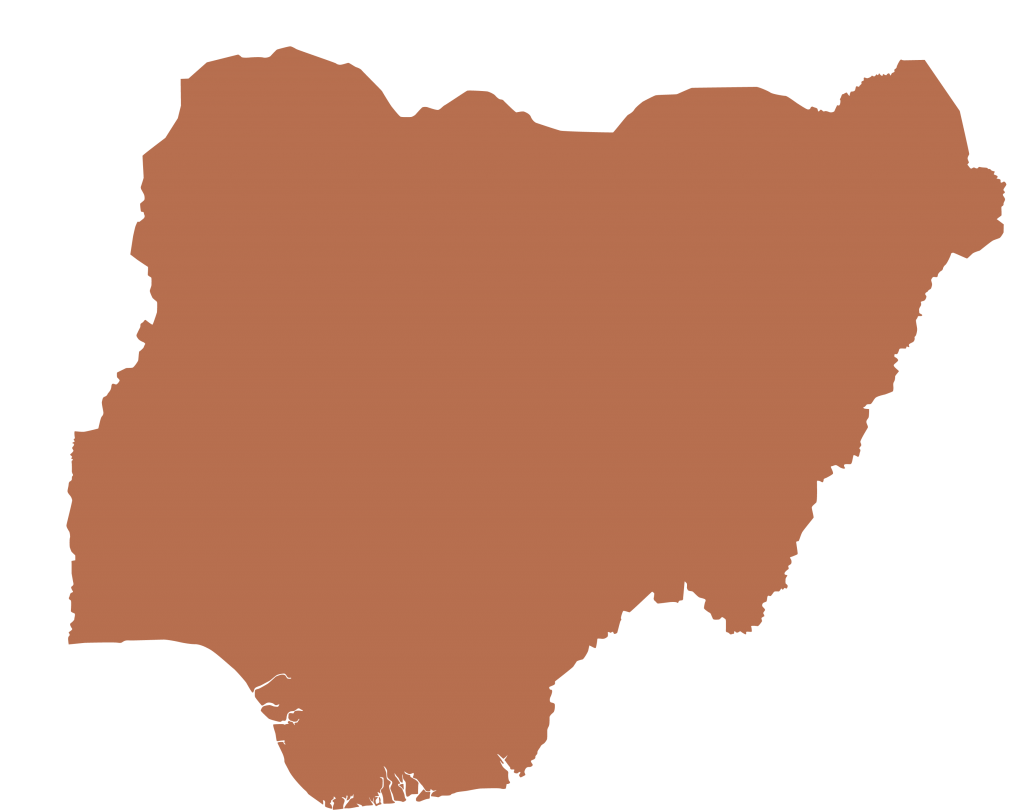
Nigeria

In this country where 53 percent of the population is Muslim, Islamic terrorist group Boko Haram is still active in its campaign to replace the democratic Nigerian government and impose sharia (Islamic law). Boko Haram, allied with the Islamic State, has killed tens of thousands of Nigerians in the northeast since 2009, often targeting Christians, churches and Christian organizations. There is some evidence that Boko Haram or other Islamic terrorist groups are arming and otherwise supporting the surge of Muslim Fulani herdsmen attacks on predominantly Christian farmers.
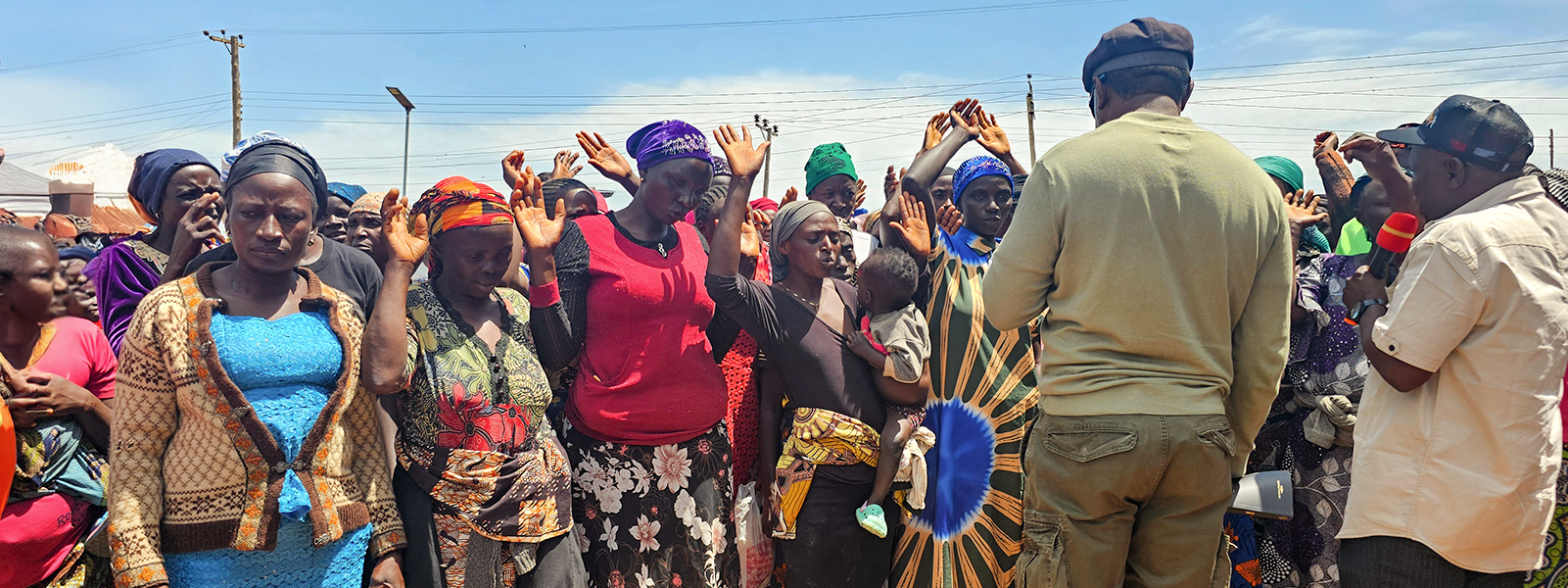
Altogether, such violence has driven more than 2.3 million people from their homes, creating a humanitarian crisis that native missionaries are helping to alleviate. As local missionaries help the displaced with food, clothing, shelter and education, they have shared the gospel and seen many people put their faith in Christ. The workers seek assistance for this aid and efforts to provide converts from Islam with places of refuge and new land and housing in secure areas.
About 41 percent of Nigeria’s population is Christian, mainly in the central and southern areas. The central states where Muslim and Christian populations co-exist have seen increased anti-Christian attacks, and in recent years Muslim Fulani herdsmen have also been taking over Christians lands in some southern states. Besides providing aid, local missionaries are planting churches and implementing long-standing educational, agricultural and microenterprise programs to develop income and improve living standards for the poor.
Nigeria’s official language is English, but there are more than 500 languages spoken in the country, and most ethnic groups prefer to speak in their own language. English is widely used for education, business and official purposes. Only a small minority of the country’s urban elite speak English as a first language, and in some rural areas it is unknown.
With more than 500 ethnic groups, the three largest being the Hausa, Igbo and Yoruba, Nigeria has vast diversity among its population – which is the largest in Africa and the seventh largest in the world. It also has the third-largest population of people under age 18, behind India and China.
Sources: Sources: Joshua Project, CIA World Factbook, Wikipedia

Located in the 10/40 Window

Nigeria

In this country where 53 percent of the population is Muslim, Islamic terrorist group Boko Haram is still active in its campaign to replace the democratic Nigerian government and impose sharia (Islamic law). Boko Haram, allied with the Islamic State, has killed tens of thousands of Nigerians in the northeast since 2009, often targeting Christians, churches and Christian organizations. There is some evidence that Boko Haram or other Islamic terrorist groups are arming and otherwise supporting the surge of Muslim Fulani herdsmen attacks on predominantly Christian farmers.
Altogether, such violence has driven more than 2.3 million people from their homes, creating a humanitarian crisis that native missionaries are helping to alleviate. As local missionaries help the displaced with food, clothing, shelter and education, they have shared the gospel and seen many people put their faith in Christ. The workers seek assistance for this aid and efforts to provide converts from Islam with places of refuge and new land and housing in secure areas.
About 41 percent of Nigeria’s population is Christian, mainly in the central and southern areas. The central states where Muslim and Christian populations co-exist have seen increased anti-Christian attacks, and in recent years Muslim Fulani herdsmen have also been taking over Christians lands in some southern states. Besides providing aid, local missionaries are planting churches and implementing long-standing educational, agricultural and microenterprise programs to develop income and improve living standards for the poor.
Nigeria’s official language is English, but there are more than 500 languages spoken in the country, and most ethnic groups prefer to speak in their own language. English is widely used for education, business and official purposes. Only a small minority of the country’s urban elite speak English as a first language, and in some rural areas it is unknown.
With more than 500 ethnic groups, the three largest being the Hausa, Igbo and Yoruba, Nigeria has vast diversity among its population – which is the largest in Africa and the seventh largest in the world. It also has the third-largest population of people under age 18, behind India and China.
Sources: Sources: Joshua Project, CIA World Factbook, Wikipedia

200.4 million

Population

26%

Evangelical Population:

539

People Groups:

90

Unreached People Groups:

How to Pray for Nigeria

  • Pray that the government security forces would put an end to the slaughter of innocent Christian families by Muslim extremists.
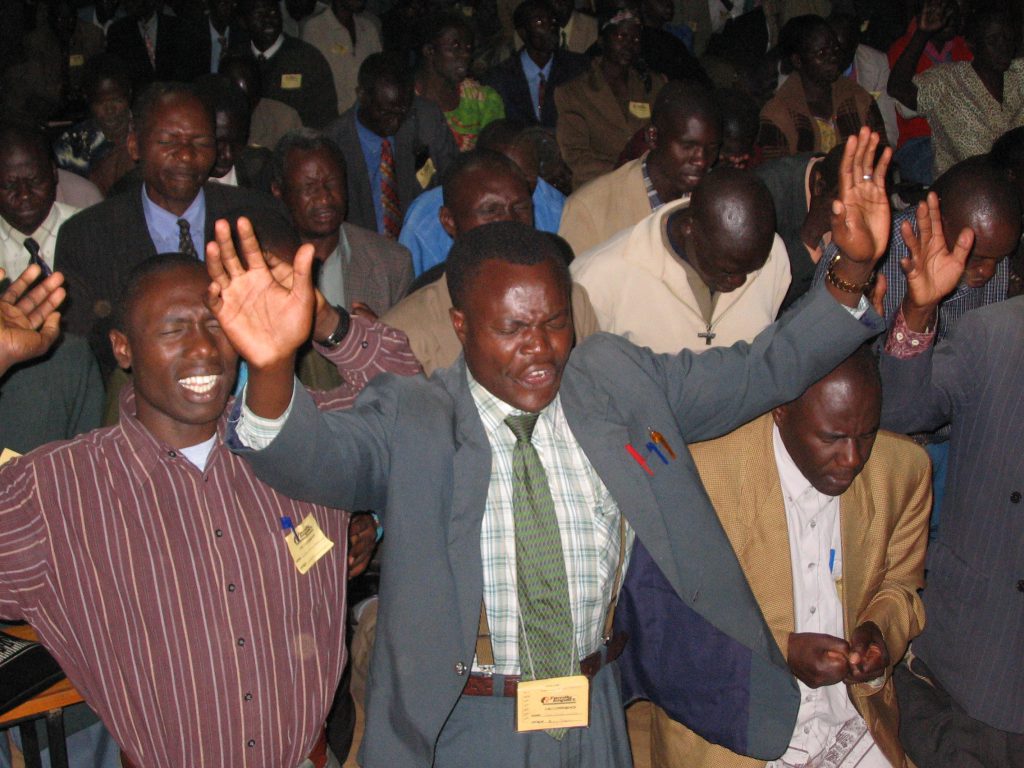
  • Pray that churches would survive and thrive in the face of Islamist violence, and that the Lord would make His close presence known to survivors who have lost parents, children and other loved ones.
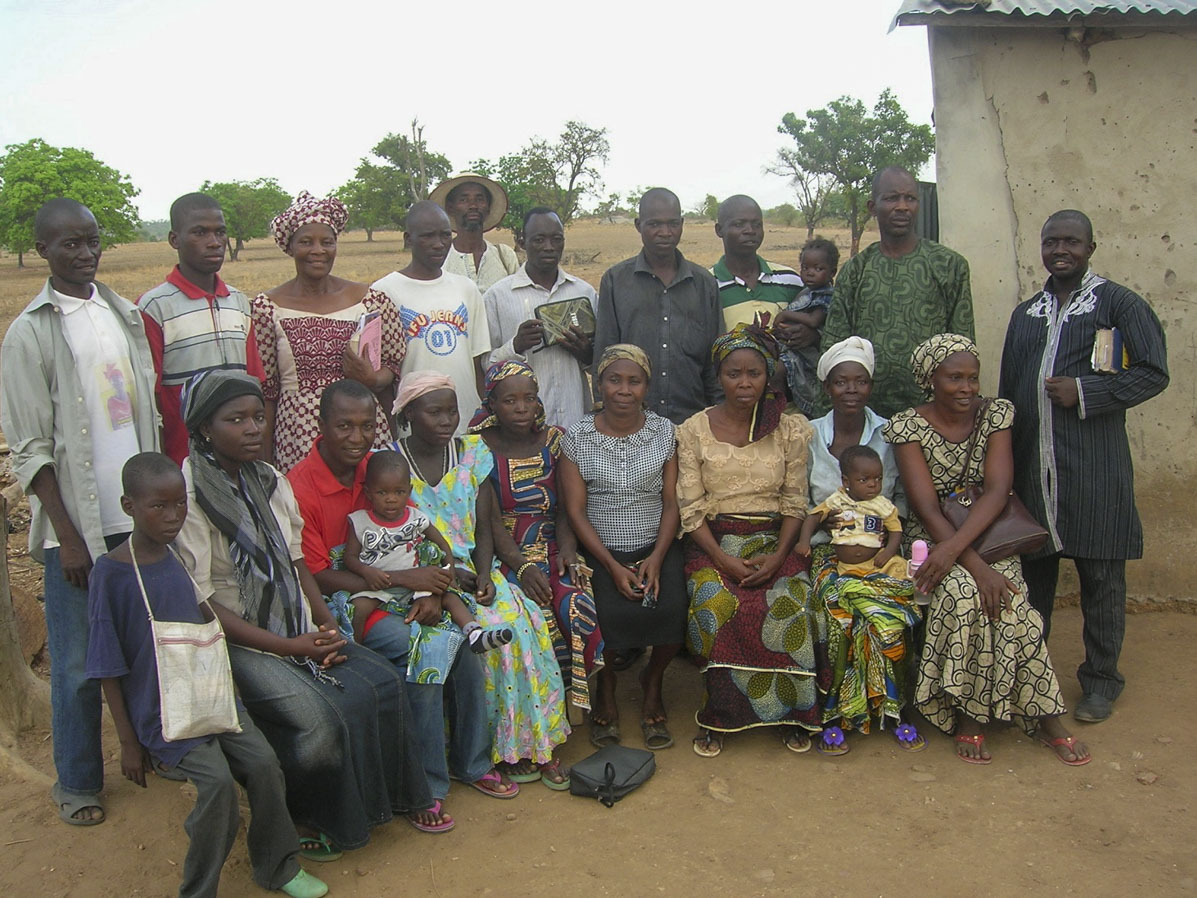
  • Pray for the safety of native missionaries, and that they would be encouraged and strengthened amid difficult circumstances.

More stories from Nigeria

Turn the Lost Toward the Lord in Nigeria
A devout Muslim heard the gospel from local missionaries, and over time, his heart opened to Jesus. He, as well as his wife and family, surrendered to God. “Today, their home has become a small fellowship point, and they are boldly sharing their newfound faith with neighbors,” the ministry leader said. You can assist with evangelism and discipleship through a donation of $25 or $50. Pray for missionaries in their outreach to Muslims.
Help Provide Clean Water in Nigeria
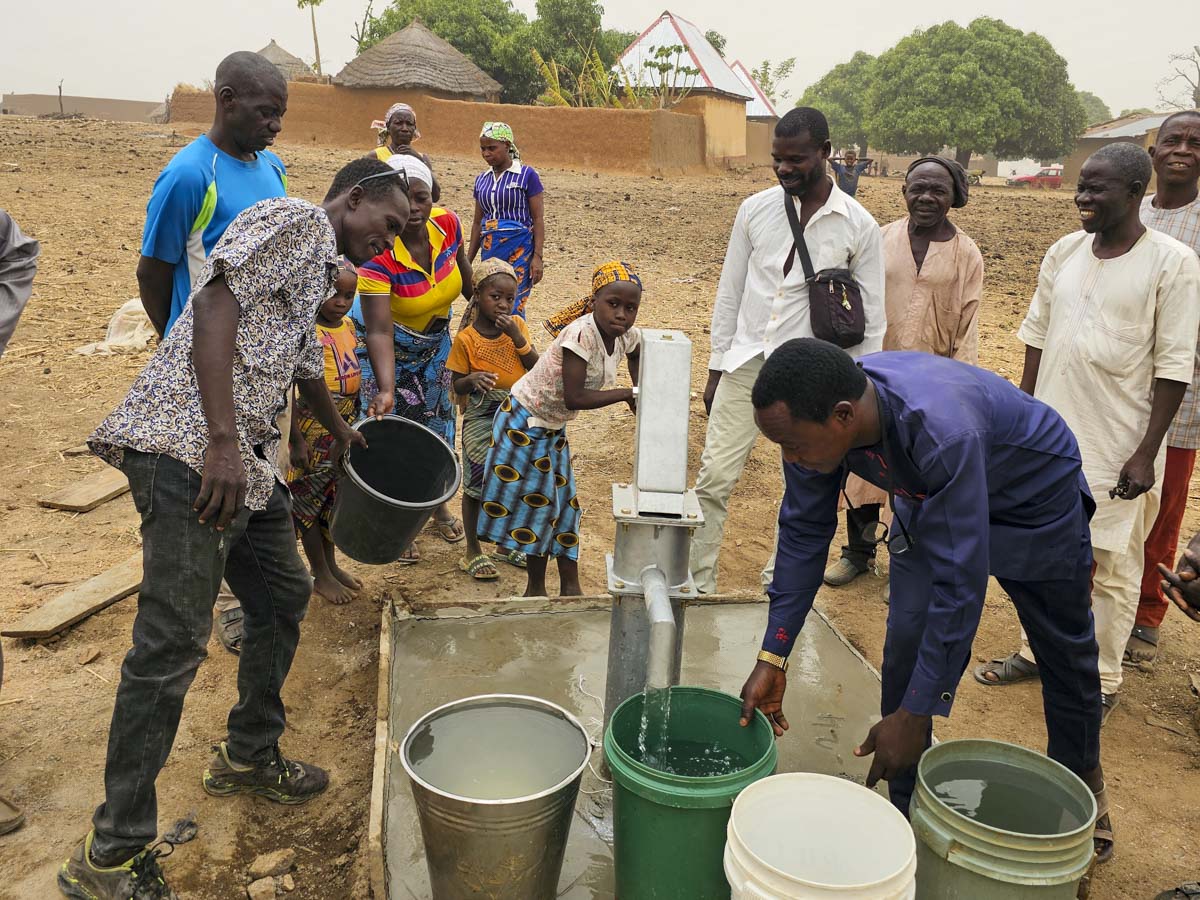
Missionaries drilled boreholes in the communities where they serve to provide safe water and alleviate the burden on women and children who previously walked miles for it. “These boreholes now provide safe drinking water for thousands,” the ministry leader said. But more boreholes are needed, and each costs $5,555. The ministry requests donations of any amount for this project. Pray this community engagement will open the door for the gospel.
Provide Aid to Persecuted Christians in Nigeria
Missionaries and believers were among the survivors after bandits attacked a community, killing many and displacing those whose homes were destroyed. “The aftermath has been devastating,” a local ministry leader said. “Entire families are now displaced, traumatized, and exposed to danger, with no shelter or food. The need for intervention is urgent and critical. We are currently preparing to deploy emergency aid and send a relief team into the field to assist with the situation.”
Nigerian Missionaries Victims in Brutal Attack
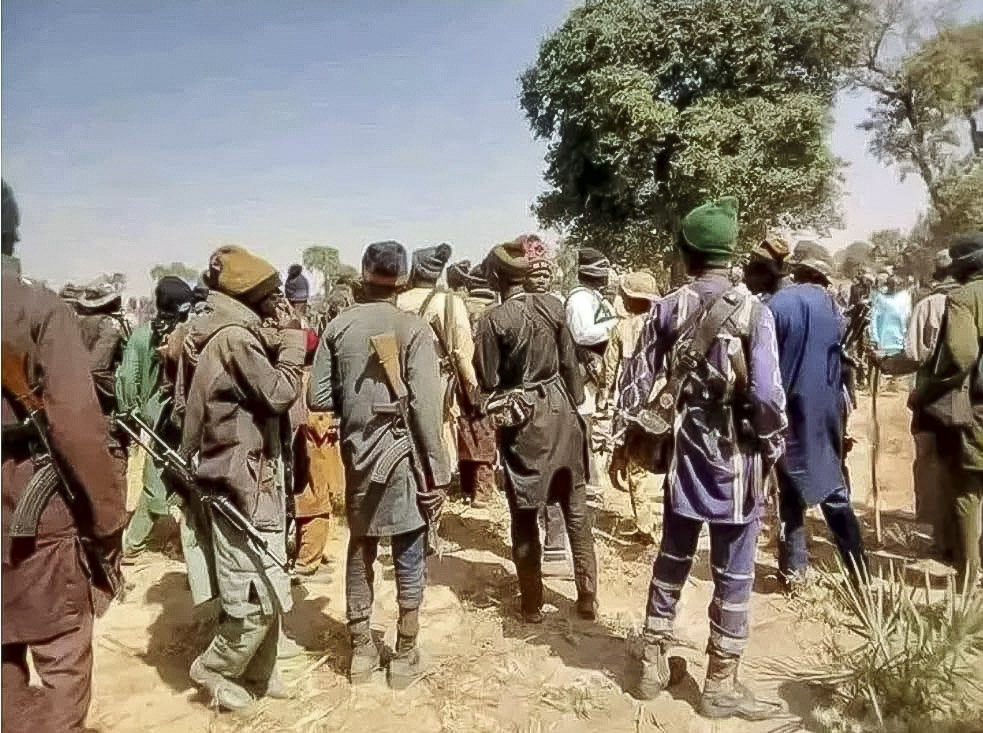
Bandits came on motorcycles—200 by some estimations—riding through the early hours of a July morning into villages across northwest Nigeria to raid, steal, attack, and kill. As the reverberating sound of hundreds of engines grew louder, residents awoke and, in a panic, tried to flee.
Supply Critical Resources to Persecuted Believers in Nigeria
Violent attacks against believers have increased, with a recent wave of attacks having killed 60 people and displaced many more. Currently, an estimated 12,000 believers have been displaced by violence, many of whom have lost all of their possessions. "These are not just numbers, they are our brothers and sisters in Christ, families torn apart, children without shelter, and communities living in fear," the ministry leader said. "We are committed to supporting displaced believers, ensuring that those who share our faith are not left behind." Your donations support assistance to persecuted believers.
Fill Spiritually Dark Places with Christ’s Light in Nigeria
A local ministry brought together 42 ministry leaders from across the country to train them on how to incorporate audio Bibles into discipleship groups. The training was so successful that the participants requested more in-depth training in the future. The ministry hopes that these training events will help bring the gospel to Muslim communities. “We are so grateful to God that in spite of the tremendous economic challenges, He continues to show Himself as the author of what we are doing,” the ministry leader said. Your donations help ministries train Christian workers for gospel work.