Partner with Local Missionaries in Nigeria

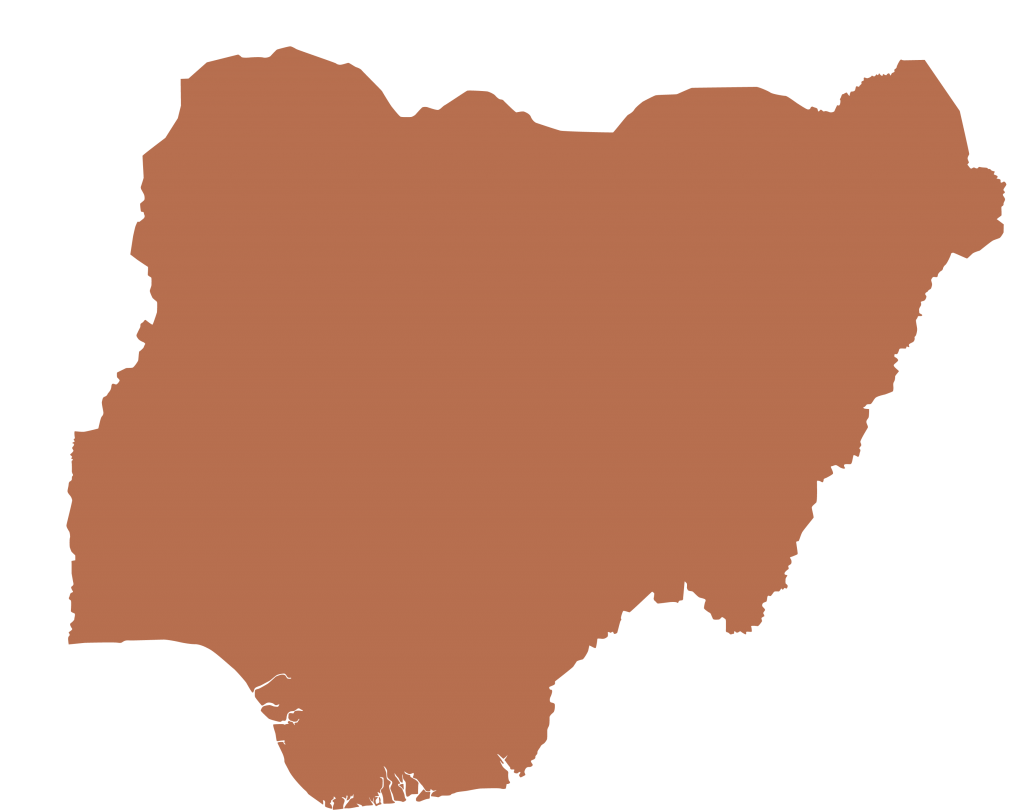
Nigeria

In this country where 53 percent of the population is Muslim, Islamic terrorist group Boko Haram is still active in its campaign to replace the democratic Nigerian government and impose sharia (Islamic law). Boko Haram, allied with the Islamic State, has killed tens of thousands of Nigerians in the northeast since 2009, often targeting Christians, churches and Christian organizations. There is some evidence that Boko Haram or other Islamic terrorist groups are arming and otherwise supporting the surge of Muslim Fulani herdsmen attacks on predominantly Christian farmers.
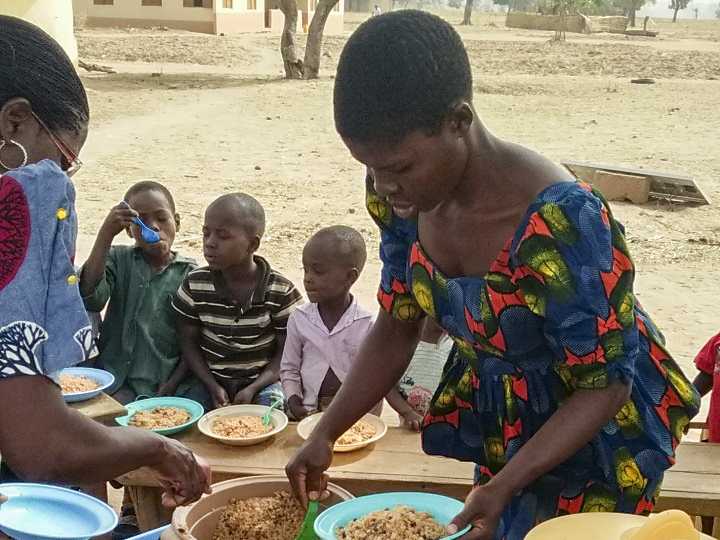
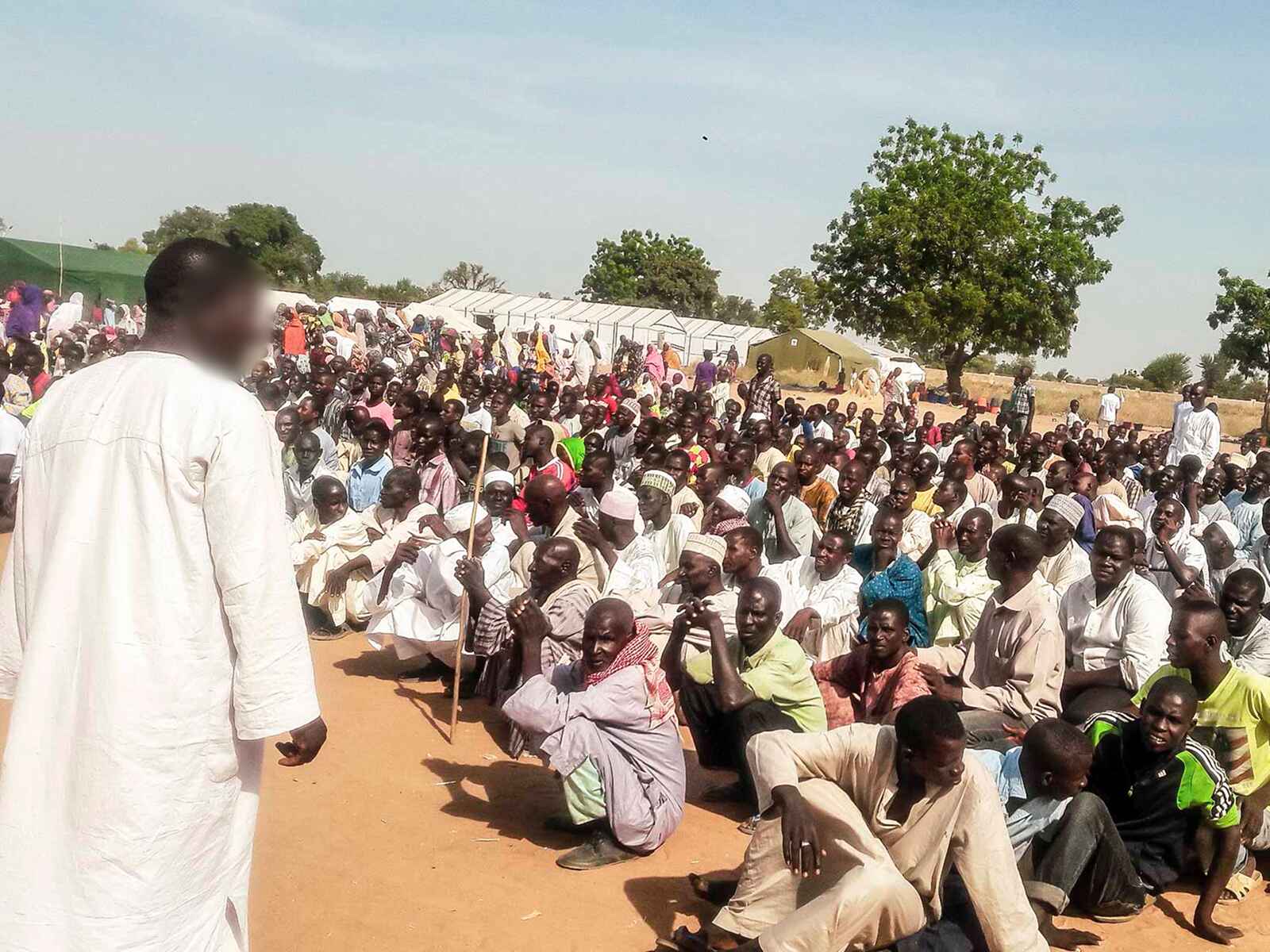
Altogether, such violence has driven more than 2.3 million people from their homes, creating a humanitarian crisis that native missionaries are helping to alleviate. As local missionaries help the displaced with food, clothing, shelter and education, they have shared the gospel and seen many people put their faith in Christ. The workers seek assistance for this aid and efforts to provide converts from Islam with places of refuge and new land and housing in secure areas.
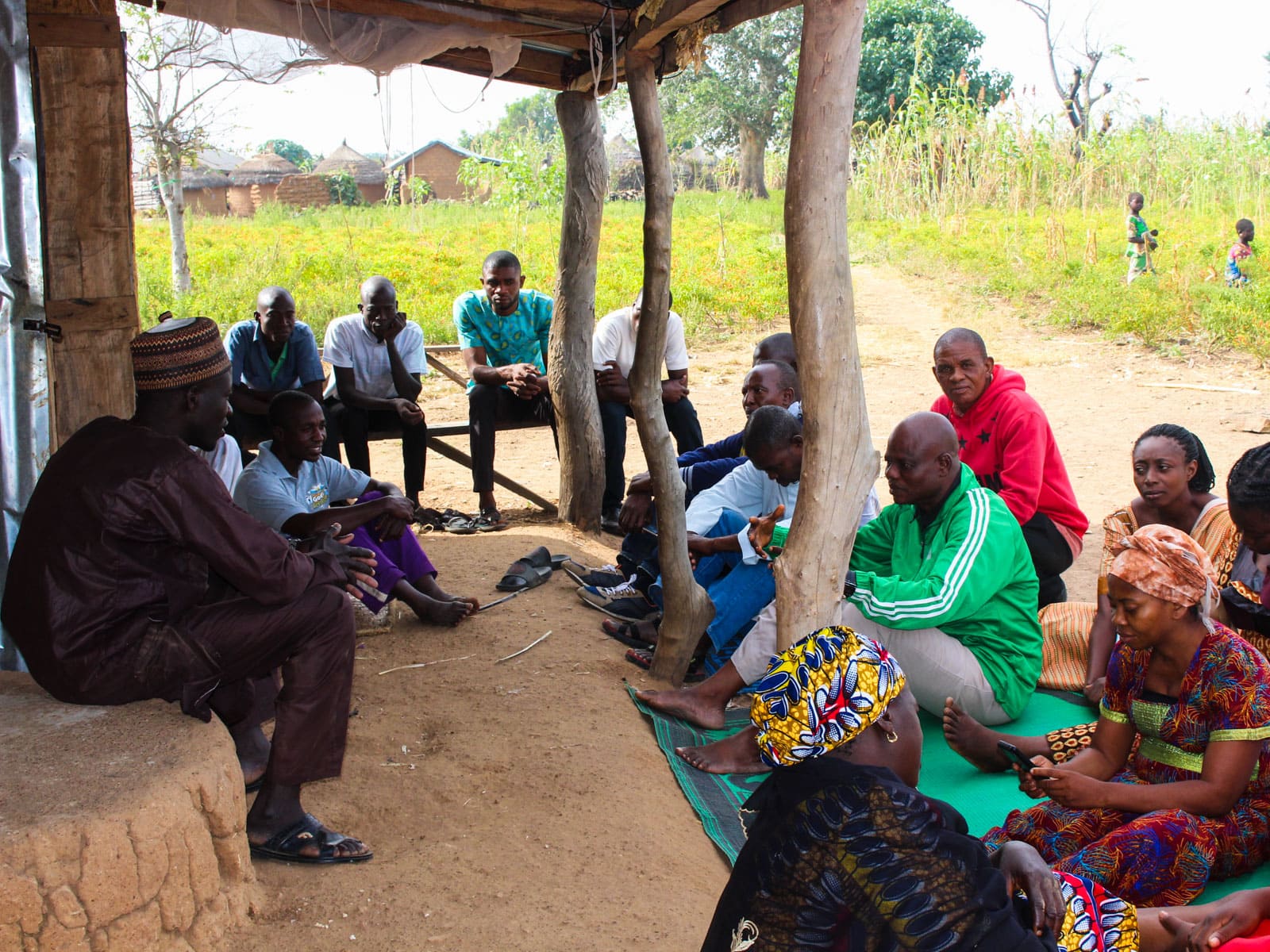
About 41 percent of Nigeria’s population is Christian, mainly in the central and southern areas. The central states where Muslim and Christian populations co-exist have seen increased anti-Christian attacks, and in recent years Muslim Fulani herdsmen have also been taking over Christians lands in some southern states. Besides providing aid, local missionaries are planting churches and implementing long-standing educational, agricultural and microenterprise programs to develop income and improve living standards for the poor.
Nigeria’s official language is English, but there are more than 500 languages spoken in the country, and most ethnic groups prefer to speak in their own language. English is widely used for education, business and official purposes. Only a small minority of the country’s urban elite speak English as a first language, and in some rural areas it is unknown.
With more than 500 ethnic groups, the three largest being the Hausa, Igbo and Yoruba, Nigeria has vast diversity among its population – which is the largest in Africa and the seventh largest in the world. It also has the third-largest population of people under age 18, behind India and China.
Sources: Sources: Joshua Project, CIA World Factbook, Wikipedia

Located in the 10/40 Window

Nigeria

In this country where 53 percent of the population is Muslim, Islamic terrorist group Boko Haram is still active in its campaign to replace the democratic Nigerian government and impose sharia (Islamic law). Boko Haram, allied with the Islamic State, has killed tens of thousands of Nigerians in the northeast since 2009, often targeting Christians, churches and Christian organizations. There is some evidence that Boko Haram or other Islamic terrorist groups are arming and otherwise supporting the surge of Muslim Fulani herdsmen attacks on predominantly Christian farmers.
Altogether, such violence has driven more than 2.3 million people from their homes, creating a humanitarian crisis that native missionaries are helping to alleviate. As local missionaries help the displaced with food, clothing, shelter and education, they have shared the gospel and seen many people put their faith in Christ. The workers seek assistance for this aid and efforts to provide converts from Islam with places of refuge and new land and housing in secure areas.
About 41 percent of Nigeria’s population is Christian, mainly in the central and southern areas. The central states where Muslim and Christian populations co-exist have seen increased anti-Christian attacks, and in recent years Muslim Fulani herdsmen have also been taking over Christians lands in some southern states. Besides providing aid, local missionaries are planting churches and implementing long-standing educational, agricultural and microenterprise programs to develop income and improve living standards for the poor.
Nigeria’s official language is English, but there are more than 500 languages spoken in the country, and most ethnic groups prefer to speak in their own language. English is widely used for education, business and official purposes. Only a small minority of the country’s urban elite speak English as a first language, and in some rural areas it is unknown.
With more than 500 ethnic groups, the three largest being the Hausa, Igbo and Yoruba, Nigeria has vast diversity among its population – which is the largest in Africa and the seventh largest in the world. It also has the third-largest population of people under age 18, behind India and China.
Sources: Sources: Joshua Project, CIA World Factbook, Wikipedia

200.4 million

Population

26%

Evangelical Population:

539

People Groups:

90

Unreached People Groups:

How to Pray for Nigeria

  • Pray that the government security forces would put an end to the slaughter of innocent Christian families by Muslim extremists.
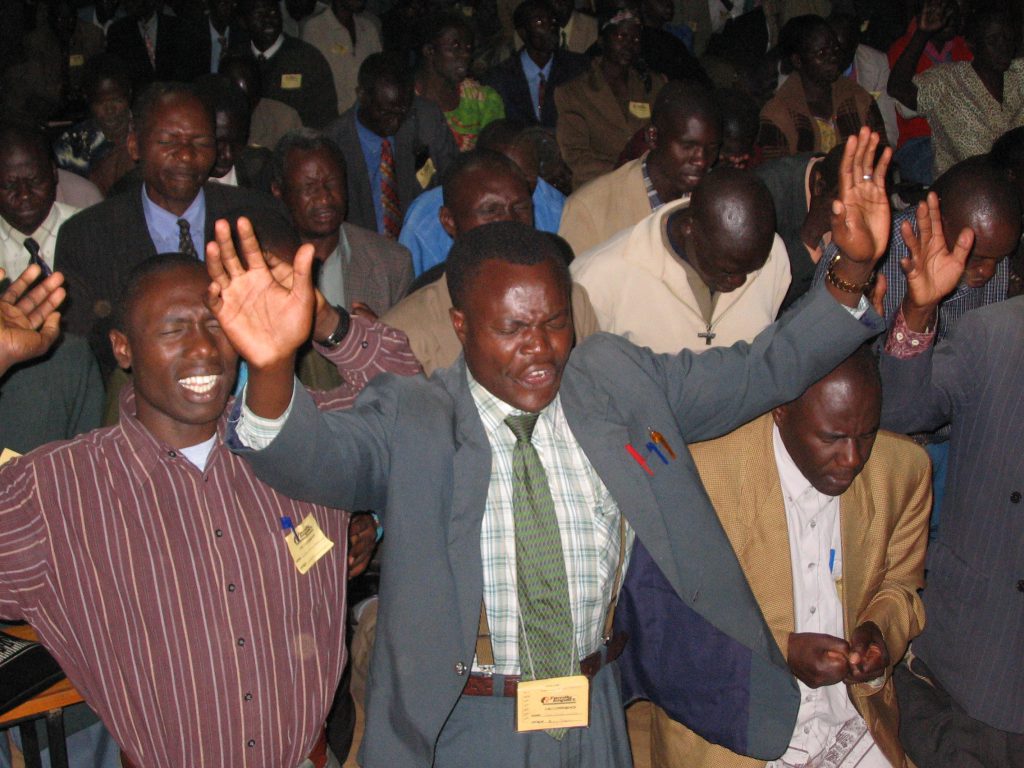
  • Pray that churches would survive and thrive in the face of Islamist violence, and that the Lord would make His close presence known to survivors who have lost parents, children and other loved ones.
  • Pray for the safety of native missionaries, and that they would be encouraged and strengthened amid difficult circumstances.

More stories from Nigeria

Urge Hardened Hearts Toward the Cross in Nigeria
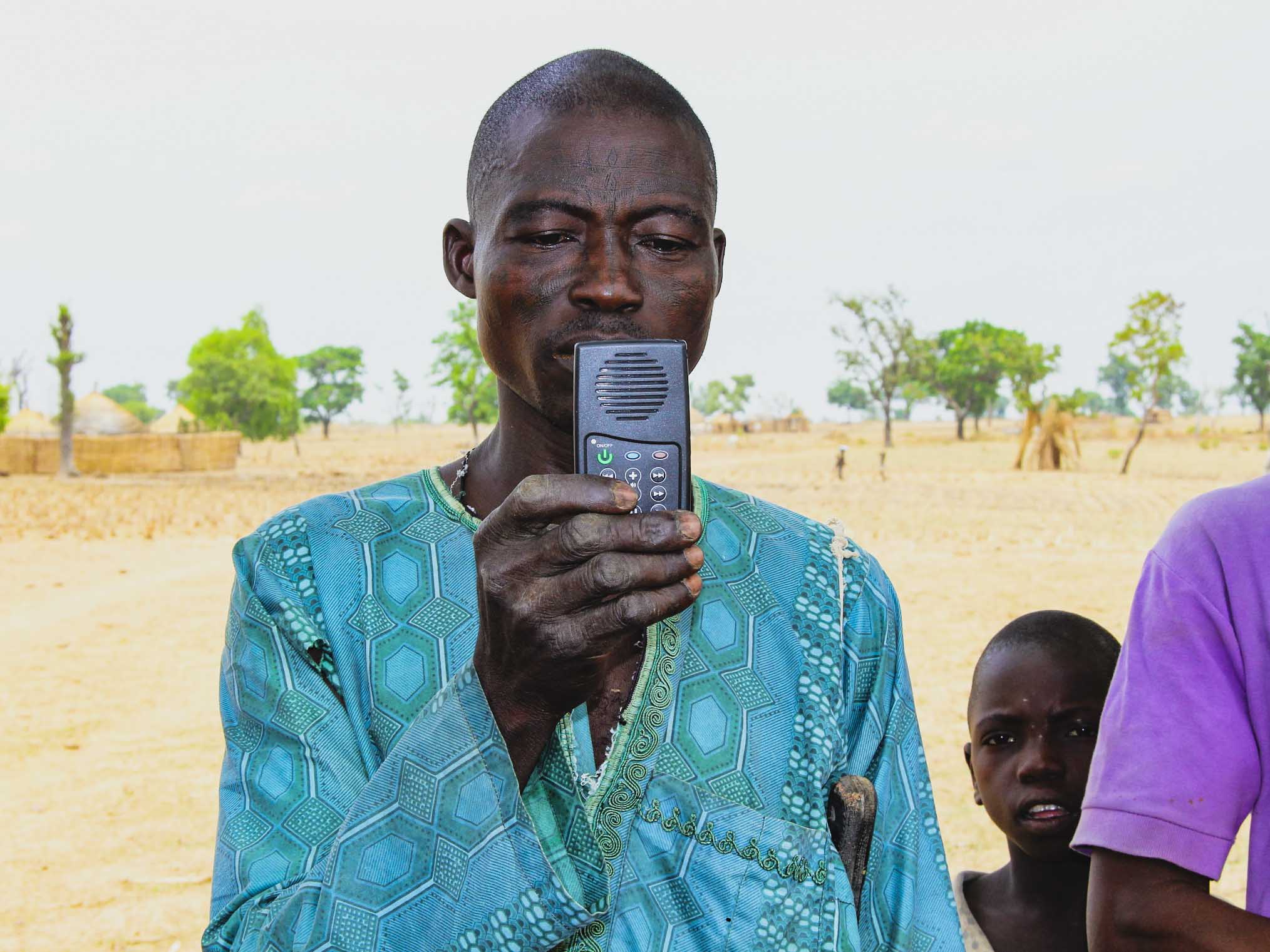
Pray the lost will be transformed by the power of the gospel. Villages in the northern part of the country that were once nearly 100 percent Muslim have been converted to Christ through audio Bibles distributed by a local ministry. “Three villages already have churches planted,” the ministry leader said. “So many people who have audio listening groups understand the persuasion of God’s word. The Lord is doing wonders among the nations.” Your donations support local missionaries in their evangelism to unreached people.
Support Believers Through Fear and Hardship in Nigeria
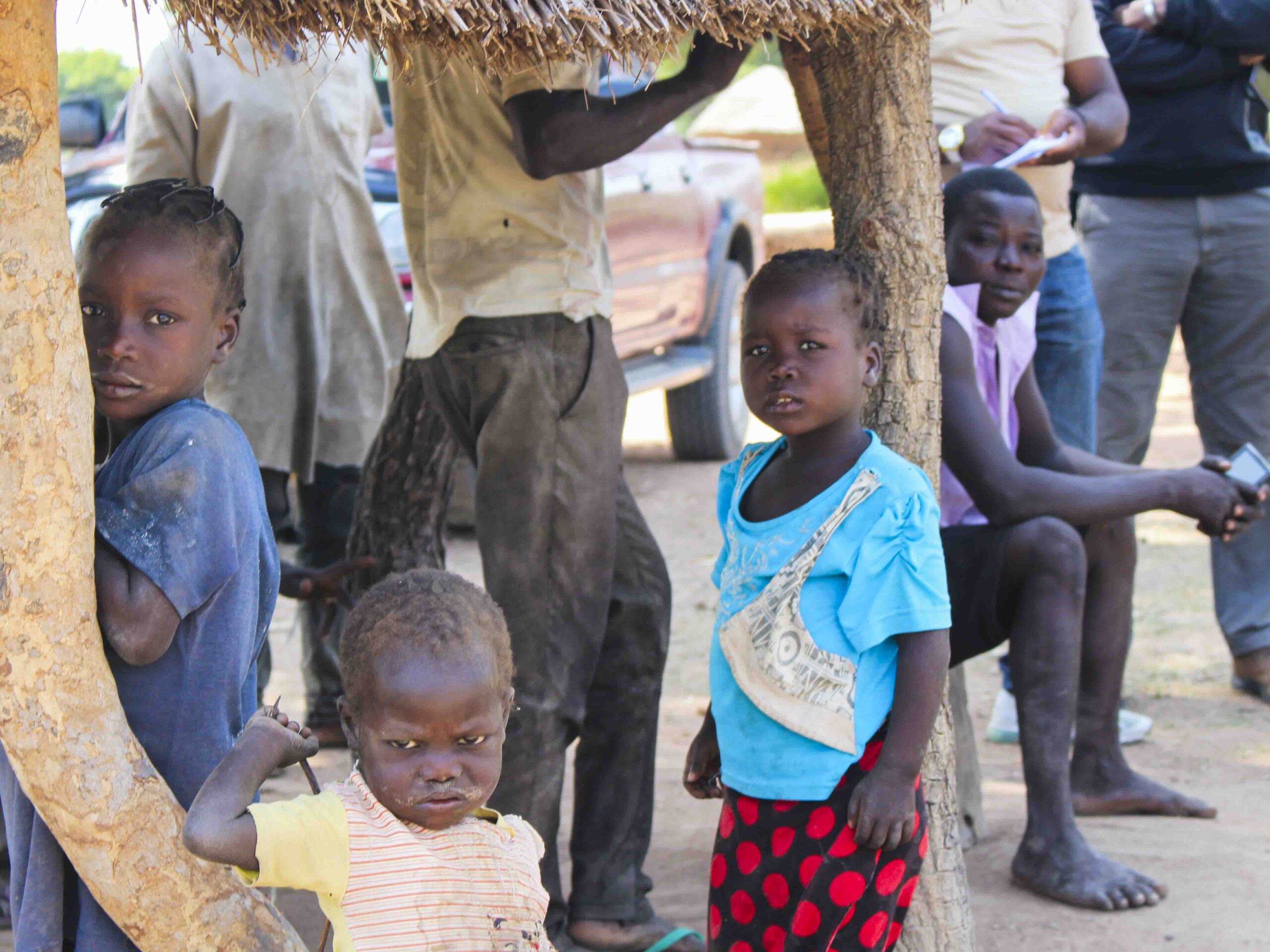
Pray for persecuted Christians whose lives are in constant danger. Terrorist groups continue to target Christian communities, forcing many families to flee their homes while those who remain behind live in constant fear of attack, rape, kidnapping, and extortion. “The incessant kidnappings and demands for ransom have left the people impoverished,” a local ministry leader said. “In many cases, even after the ransom is paid, the victims are still killed or the person who brought the ransom is kidnapped and more money is demanded. This has created a sense of hopelessness and despair among the communities.” Your donations help local missionaries assist persecuted Christians.
Supply Missionaries With Vital Christian Resources in Nigeria
Pray that hearts will be open to the Word of God. More than 300 people in five Muslim communities have given their lives to Jesus because of audio Bibles they received through a local ministry. “The Lord is doing a great job,” the ministry leader said. Additional missionaries will soon be sent to these communities to disciple new believers, and they pray that more people will give their lives to God. “The Lord is opening doors, and many are coming to Him,” the ministry leader said. “Keep praying.” Your donations help provide resources such as these audio Bibles to the lost.
URGENT: Humanitarian Crisis Unfolding in Nigeria
Two years ago, Nigeria was Africa’s largest economy. People like Babatunde Afolabi, who spoke with the New York Times in June, worked to support his family by transporting people with his tuk-tuk taxi, which he owned. Life wasn’t easy, but they had enough. After his wife had childbirth difficulties, however, Babatunde was forced to sell his tuk-tuk to pay their medical bills. He found work in construction and, though the pay was far less than what he once earned, they still managed to get by. “We had no thoughts about starvation,” he told the Times. Babatunde, like millions of other Nigerians, could not have imagined the magnitude of the crisis about to unfold.