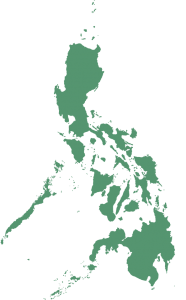
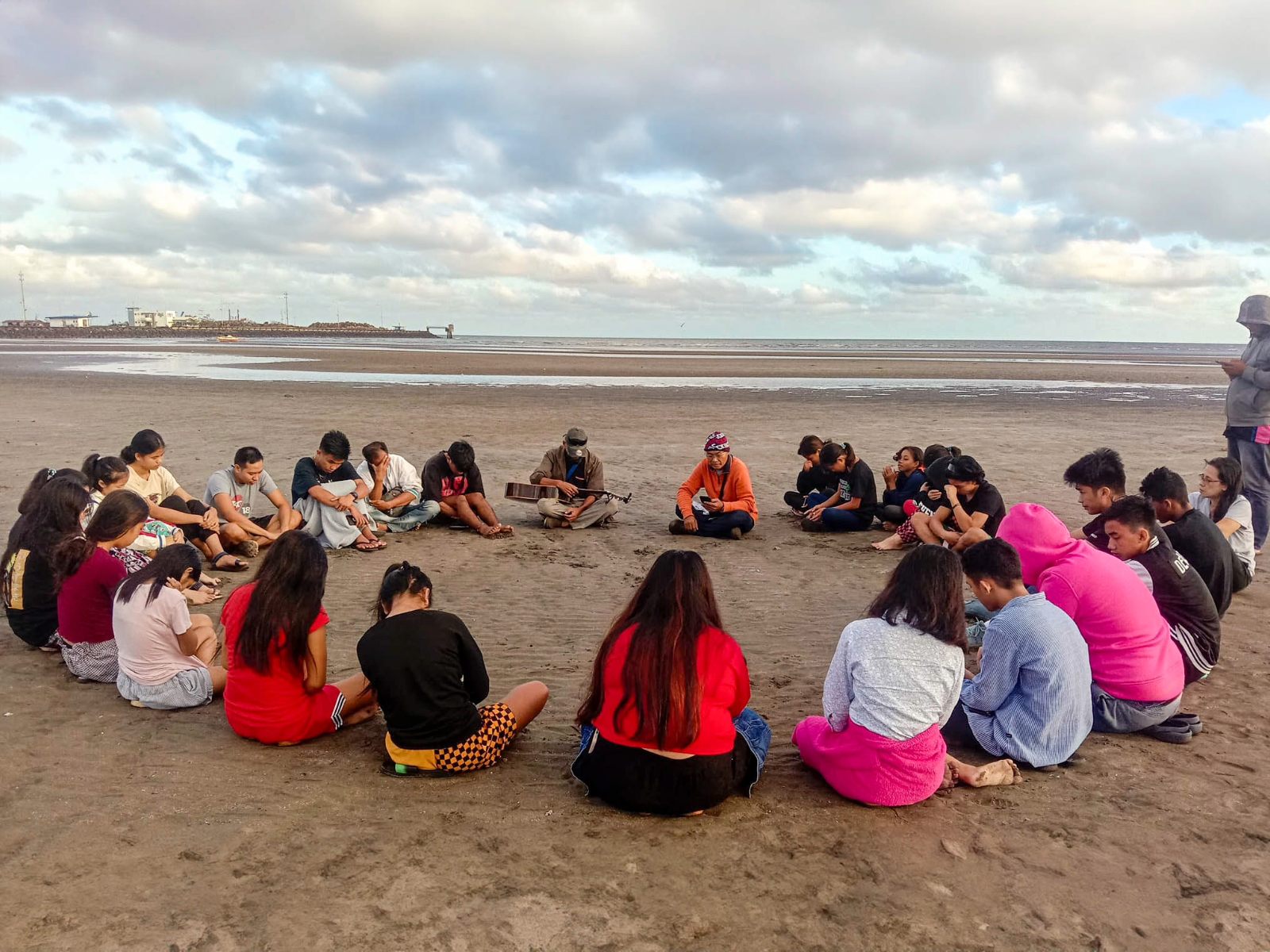
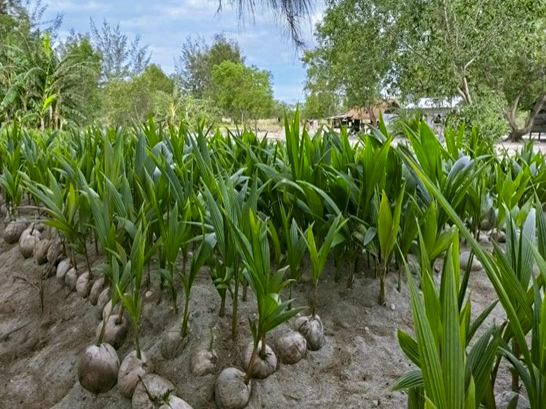
A vast archipelago with 22,549 miles of coastline, the Philippines is comprised of more than 7,000 islands bordered by the Philippine Sea, South China Sea, Celebes Sea, and Taiwan—directly north of the country. Approximately 700 of the islands are inhabited, with 11 containing the vast majority of the population. Luzon in the north and Mindanao in the south are the two largest islands.
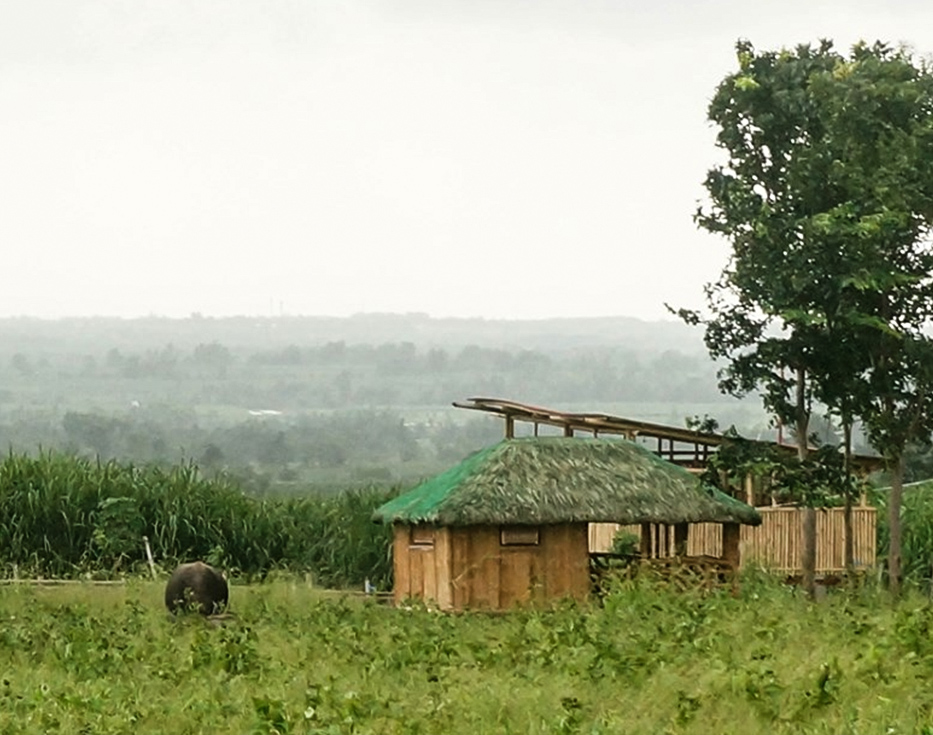
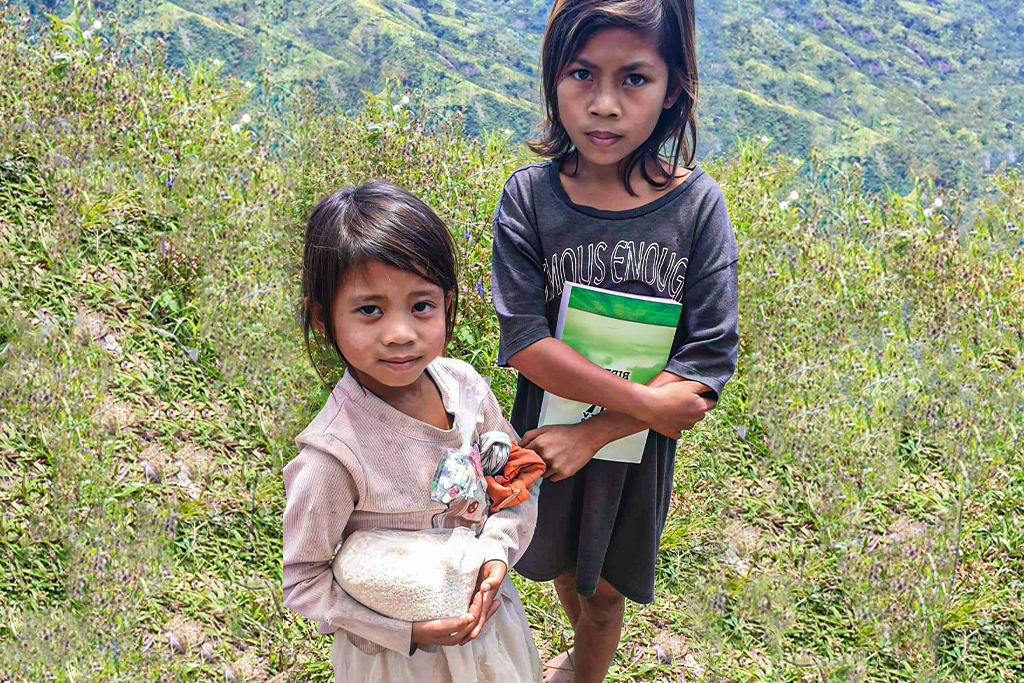
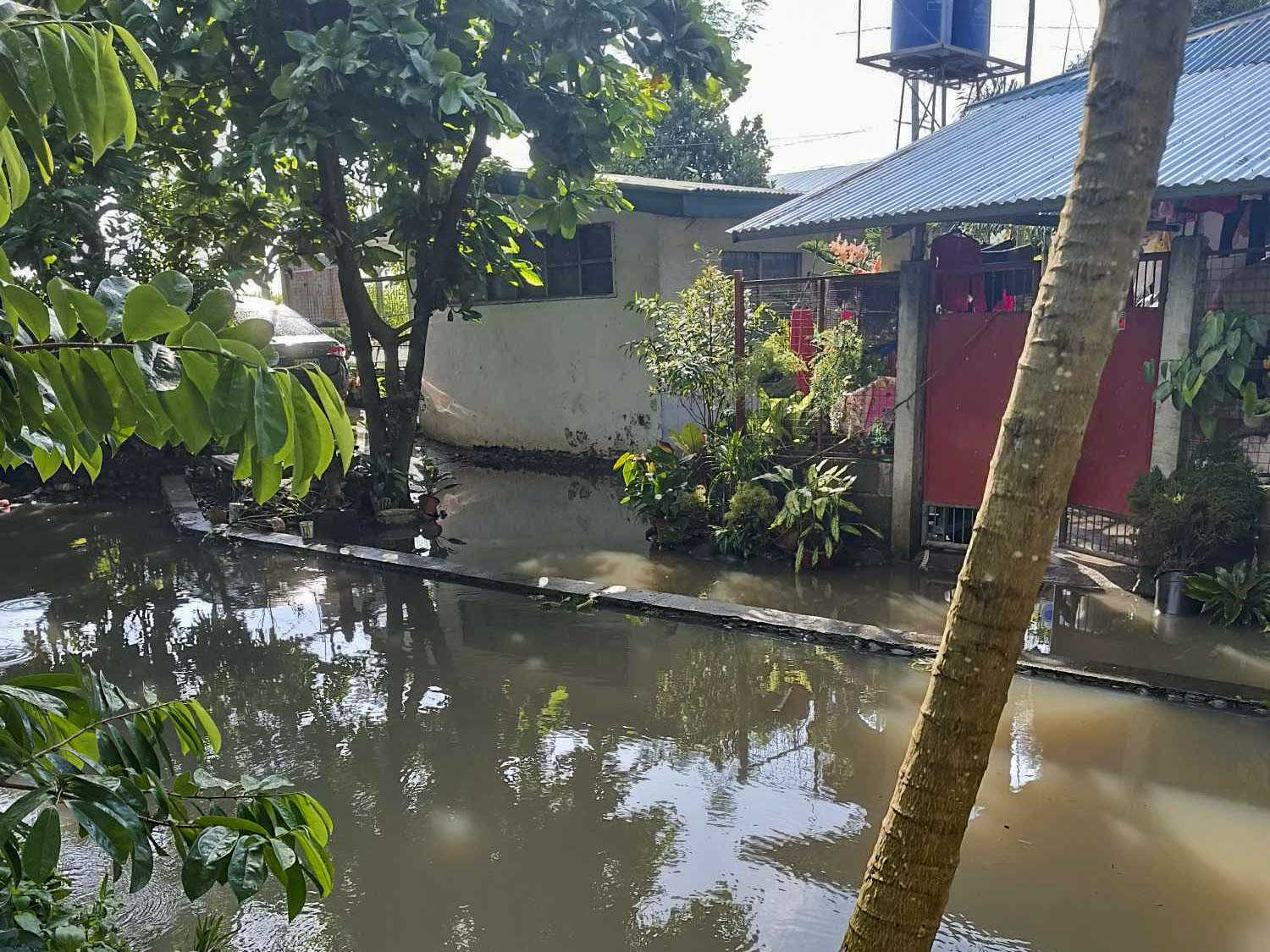
Prone to devastating typhoons, the Philippine islands are covered in mountains and tropical rainforests. Around 132 people groups live in the more remote mountainous areas. Philippine culture is a mix of Eastern and Western cultures, including Spanish surnames, towns, and streets; and the widespread use of the English language
An officially secular state, the Philippines has a democratic government with freedom of religion. The Catholic Church is highly influential, with more than 80 percent of the population identifying as Catholic. A large number of Catholics, however, practice a syncretistic blend of Catholicism, animism, and witchcraft.
The Protestant population is rapidly growing, creating a huge need for trained church leaders. Thousands of rural congregations languish without adequate leadership, falling into unbiblical teaching and moral failure. Thousands of pastors struggle to survive on the meager offerings of their congregations, and many view formal training as an unaffordable luxury.
Approximately 5 percent of the population is Islamic, as Muslims from the southern island of Mindanao, a hotbed of radicalism, move throughout the country. Muslims succeeded in obtaining an independent Islamic state in Mindanao, where Christians have long faced hostilities from Islamic militants and Muslim family members. The Bangsamoro Autonomous Region in Muslim Mindanao (BARMM), comprised of five provinces, is free from the national government. BARMM is ruled under sharia law that separatist terrorists such as the Moro Islamic Liberation Front (MILF) have long sought, with drastic reduction of rights for non-Muslims, regarded as second-class citizens.
Mindanao’s population is more than 20 percent Muslim, with most centered in the BARMM provinces, where Islamic missionaries arrived nearly 200 years before Spanish Catholic colonization began in 1565. The U.S. State Department has warned against travel to Mindanao since January 2009.
Despite the danger, a Christian Aid Mission-assisted ministry has led people to Christ among nearly all of the Muslim-majority people groups in Mindanao. Other ministries who work in dangerous regions report that some of their missionaries were martyred for the sake of the gospel. Financial support strengthens them and helps the gospel spread in the most difficult circumstances. Other needs include Bibles, motorcycles for missionary transportation, projectors to show gospel films, and funding for training, children’s programs, radio programs, free medical and dental outreaches in poor villages, and livelihood projects.
Sources: Joshua Project, CIA World Factbook, Operation World, U.S. State Department