Rwanda became independent in 1962, a shift that placed political power largely in the hands of the Hutu majority. This change sparked significant violence against the Tutsi population, driving many to flee the country and seek refuge in neighboring nations, particularly Uganda. Years of unresolved ethnic divisions and ongoing political unrest eventually led to the 1994 genocide against the Tutsi—one of the most devastating tragedies in modern history—during which more than one million Tutsis were systematically killed over the course of approximately 100 days.
The post-genocide government implemented reconciliation efforts that helped stabilize the country, and many who fled began to return to the country. However, survivors continue to struggle today with memories of the tragedy.
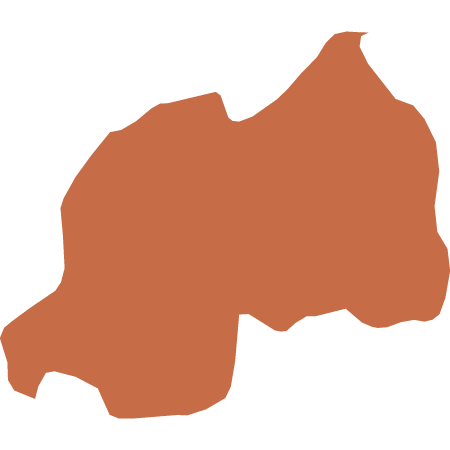
Known for its beautiful scenery, Rwanda is home to a chain of mountains situated in its northwest region that includes several volcanoes. Its interior highlands consist of rolling hills and valleys that eventually give way to the shores of Lake Kivu, which sits along the country’s eastern border with Congo.
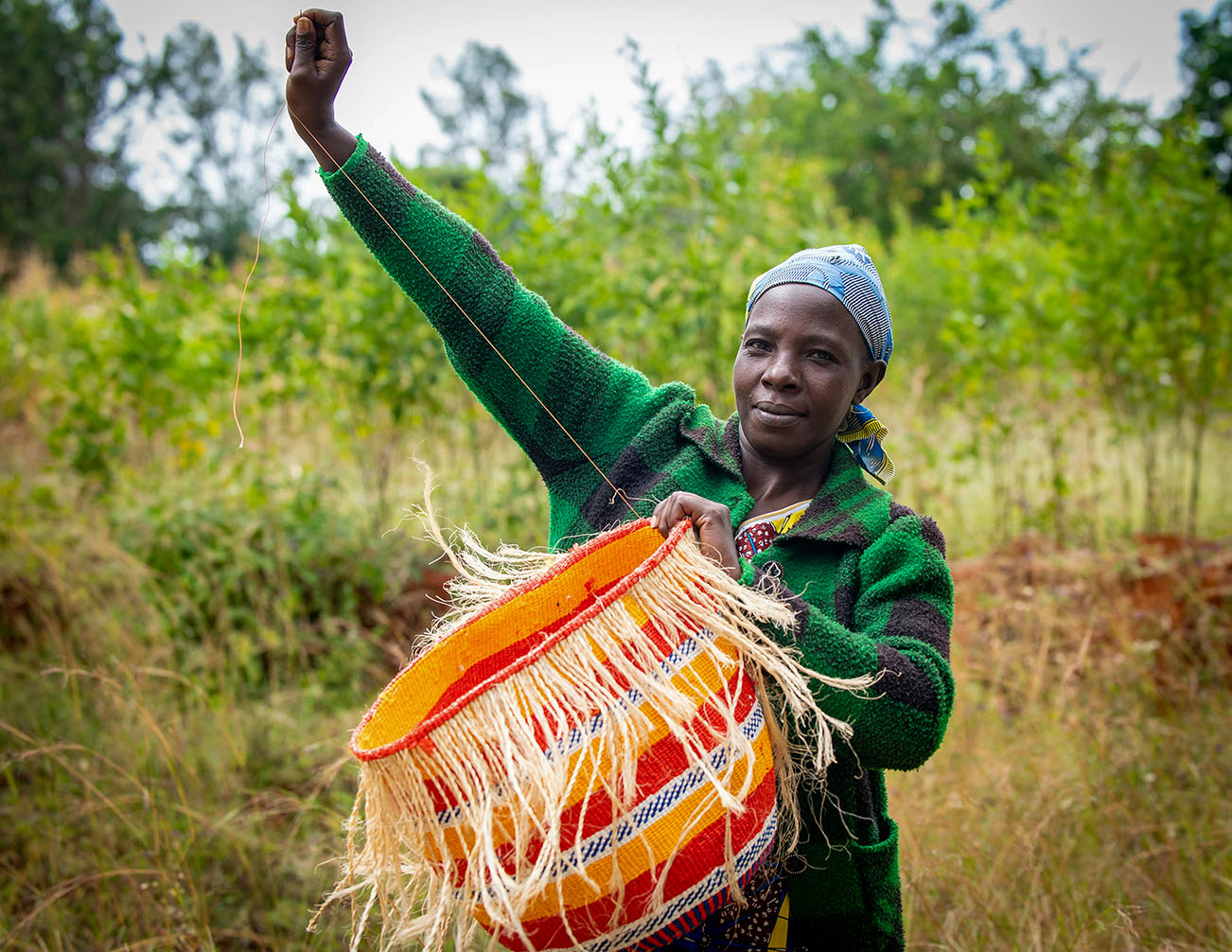
The country has four official languages: Rwanda, English, French, and Swahili, and the majority of Rwandans are involved in agricultural work, with dry beans, sorghum, bananas, corn, potatoes, and cassava the primary crops.
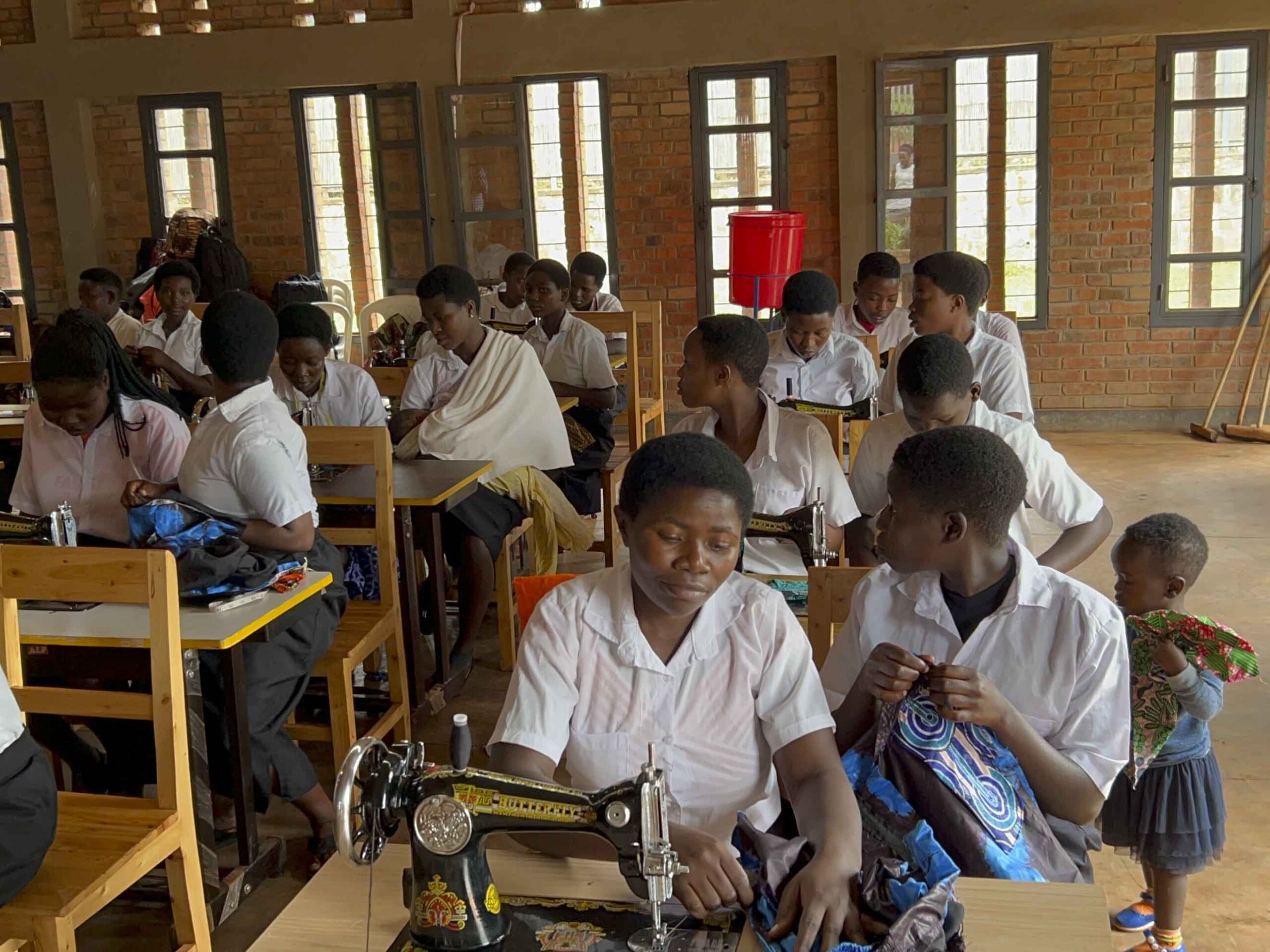
More than two-fifths of the population is Roman Catholic, and more than one-third is Protestant. One indigenous ministry here focuses on raising a new generation of Christ followers and church leaders through holistic outreach such as distributing Bibles to young people and training church workers to effectively minister to street children, refugees, the elderly, prostitutes, and those with illnesses and disabilities.
Sources: Joshua Project, Encyclopedia Britannica, UN.org, ushmm.org, Aljazeera.com