Partner with Local Missionaries in Nigeria

Nigeria

In this country where 53 percent of the population is Muslim, Islamic terrorist group Boko Haram is still active in its campaign to replace the democratic Nigerian government and impose sharia (Islamic law). Boko Haram, allied with the Islamic State, has killed tens of thousands of Nigerians in the northeast since 2009, often targeting Christians, churches and Christian organizations. There is some evidence that Boko Haram or other Islamic terrorist groups are arming and otherwise supporting the surge of Muslim Fulani herdsmen attacks on predominantly Christian farmers.
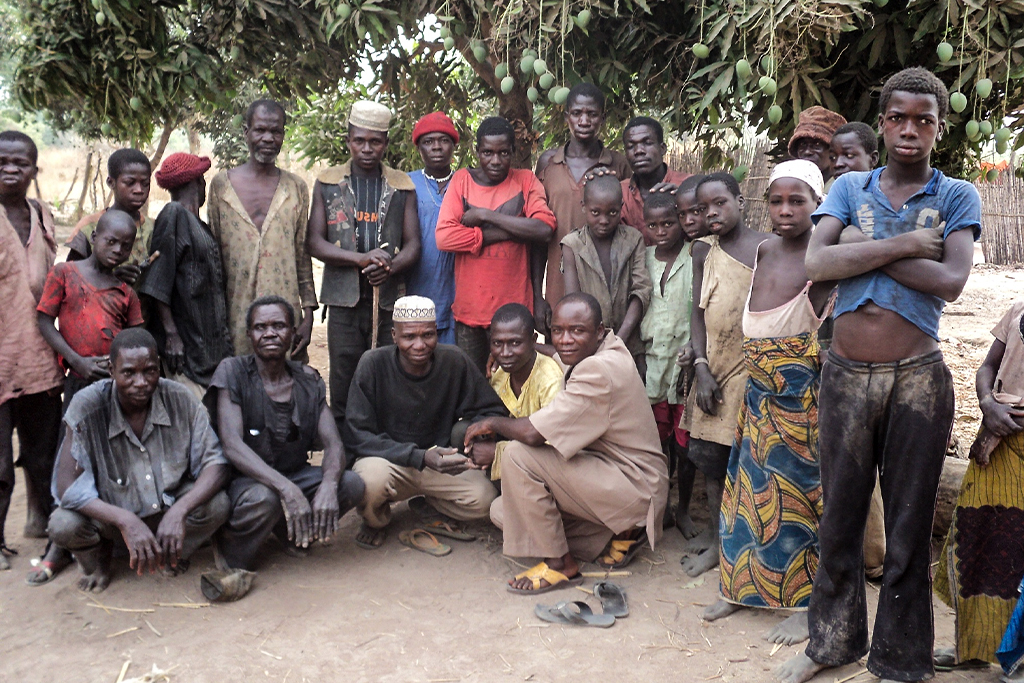
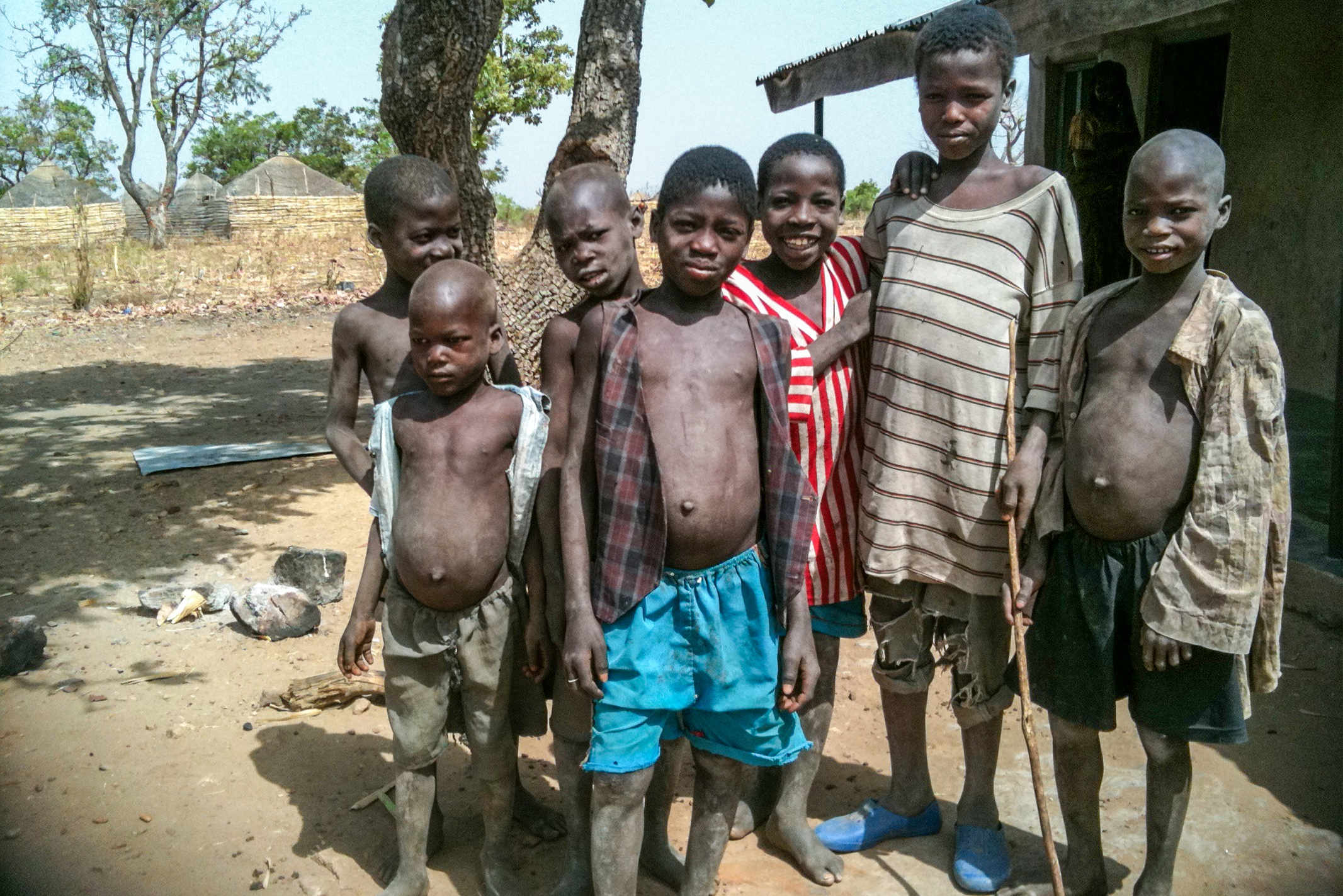
Altogether, such violence has driven more than 2.3 million people from their homes, creating a humanitarian crisis that native missionaries are helping to alleviate. As local missionaries help the displaced with food, clothing, shelter and education, they have shared the gospel and seen many people put their faith in Christ. The workers seek assistance for this aid and efforts to provide converts from Islam with places of refuge and new land and housing in secure areas.
About 41 percent of Nigeria’s population is Christian, mainly in the central and southern areas. The central states where Muslim and Christian populations co-exist have seen increased anti-Christian attacks, and in recent years Muslim Fulani herdsmen have also been taking over Christians lands in some southern states. Besides providing aid, local missionaries are planting churches and implementing long-standing educational, agricultural and microenterprise programs to develop income and improve living standards for the poor.
Nigeria’s official language is English, but there are more than 500 languages spoken in the country, and most ethnic groups prefer to speak in their own language. English is widely used for education, business and official purposes. Only a small minority of the country’s urban elite speak English as a first language, and in some rural areas it is unknown.
With more than 500 ethnic groups, the three largest being the Hausa, Igbo and Yoruba, Nigeria has vast diversity among its population – which is the largest in Africa and the seventh largest in the world. It also has the third-largest population of people under age 18, behind India and China.
Sources: Sources: Joshua Project, CIA World Factbook, Wikipedia

Located in the 10/40 Window

Nigeria

In this country where 53 percent of the population is Muslim, Islamic terrorist group Boko Haram is still active in its campaign to replace the democratic Nigerian government and impose sharia (Islamic law). Boko Haram, allied with the Islamic State, has killed tens of thousands of Nigerians in the northeast since 2009, often targeting Christians, churches and Christian organizations. There is some evidence that Boko Haram or other Islamic terrorist groups are arming and otherwise supporting the surge of Muslim Fulani herdsmen attacks on predominantly Christian farmers.
Altogether, such violence has driven more than 2.3 million people from their homes, creating a humanitarian crisis that native missionaries are helping to alleviate. As local missionaries help the displaced with food, clothing, shelter and education, they have shared the gospel and seen many people put their faith in Christ. The workers seek assistance for this aid and efforts to provide converts from Islam with places of refuge and new land and housing in secure areas.
About 41 percent of Nigeria’s population is Christian, mainly in the central and southern areas. The central states where Muslim and Christian populations co-exist have seen increased anti-Christian attacks, and in recent years Muslim Fulani herdsmen have also been taking over Christians lands in some southern states. Besides providing aid, local missionaries are planting churches and implementing long-standing educational, agricultural and microenterprise programs to develop income and improve living standards for the poor.
Nigeria’s official language is English, but there are more than 500 languages spoken in the country, and most ethnic groups prefer to speak in their own language. English is widely used for education, business and official purposes. Only a small minority of the country’s urban elite speak English as a first language, and in some rural areas it is unknown.
With more than 500 ethnic groups, the three largest being the Hausa, Igbo and Yoruba, Nigeria has vast diversity among its population – which is the largest in Africa and the seventh largest in the world. It also has the third-largest population of people under age 18, behind India and China.
Sources: Sources: Joshua Project, CIA World Factbook, Wikipedia

200.4 million

Population

26%

Evangelical Population:

539

People Groups:

90

Unreached People Groups:

How to Pray for Nigeria

  • Pray that the government security forces would put an end to the slaughter of innocent Christian families by Muslim extremists.
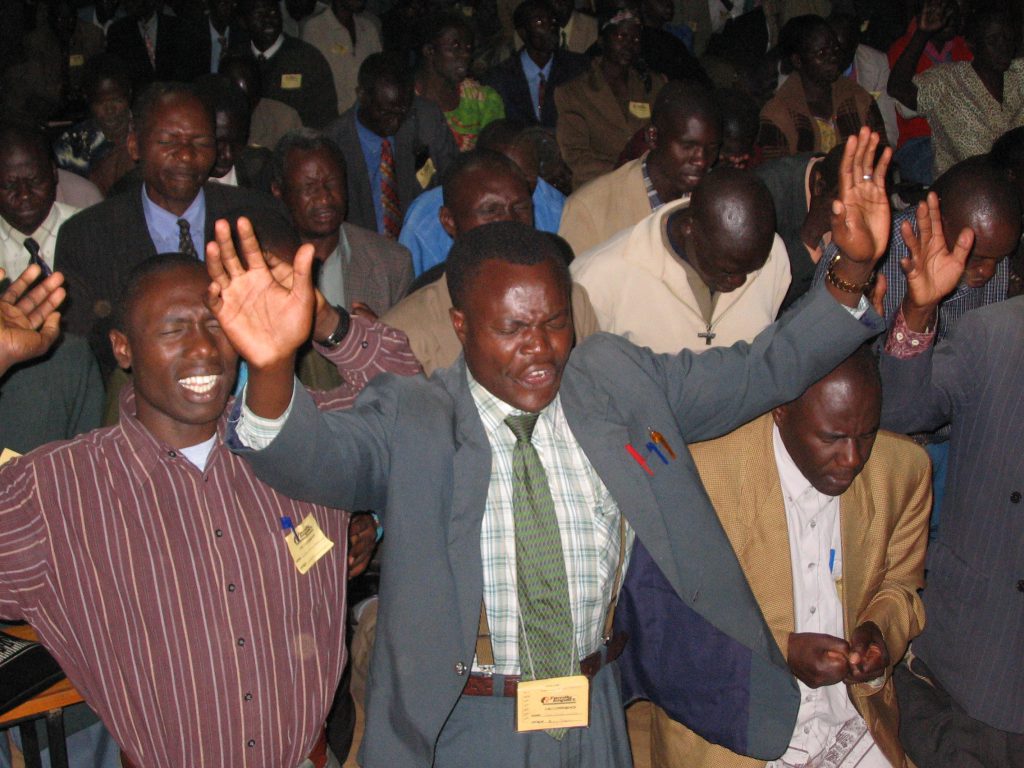
  • Pray that churches would survive and thrive in the face of Islamist violence, and that the Lord would make His close presence known to survivors who have lost parents, children and other loved ones.
  • Pray for the safety of native missionaries, and that they would be encouraged and strengthened amid difficult circumstances.

More stories from Nigeria

Help Reconcile People to God in Nigeria
Christ’s command to help the poor helped break down hostilities from Muslims and open the hearts of the poor to the Good News. “Our work has continued to grow as we witness converts in many fields,” the ministry leader said. “This is partially because of our humanitarian work among the people, which includes education, health and water and sanitation. Doors have been opened among the Muslims, and they have accepted us in many areas.” Workers need donations to bring the gospel, provide print and audio Bibles to spiritually hungry people and follow-up with new believers.
Support Christian Workers in Nigeria
Native Christian workers sustain their families as the Lord provides even as they face risks of kidnapping and death at the hands of terrorists. Some workers are returning to villages to rebuild homes and schools that were burned down. They and other workers need support to rebuild and cover monthly living expenses and school fees for their children. “When missionaries have support, it reduces attrition and suffering, as many are not under support,” the leader said. “The work will move faster when children’s school fees and other family needs are made.” Donations of $60 or $120 are sought for such missionary support. Pray that all barriers to kingdom growth will fall.
Support Kingdom Expansion in Nigeria
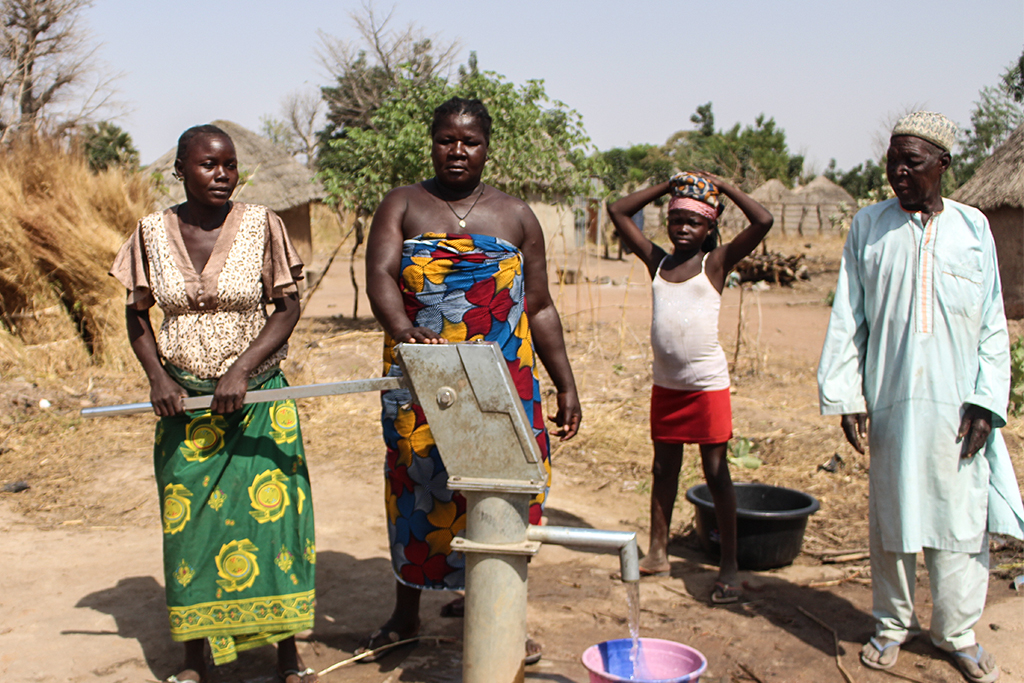
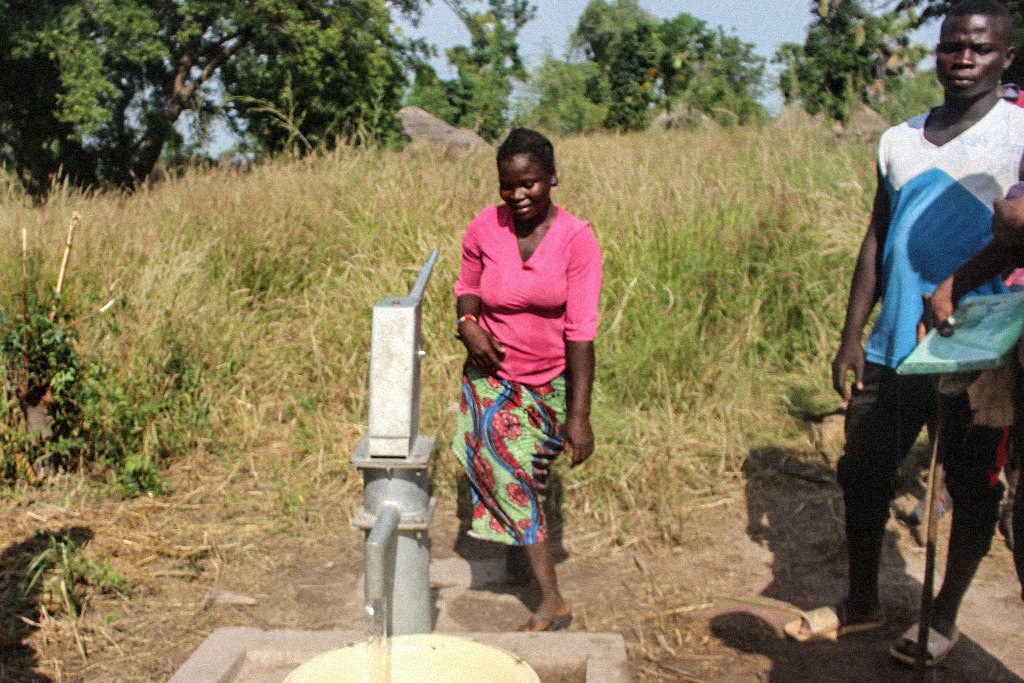
In spite of widespread terrorist dangers, local Christian workers are providing aid to the displaced, drilling boreholes for fresh water and proclaiming Christ’s salvation. After distributing more than 4,000 audio Bibles, workers followed up with recipients and many put their faith in Christ. “Two people who testified of how the Lord opened their eyes to understand His Word were so enthusiastic about knowing the Lord,” the ministry leader said. Workers need donations to undertake the various means for proclaiming Christ to people who are difficult to reach. Pray for local missionaries’ protection and provision as they take on daunting challenges to expand God’s kingdom.
Help Send Humanitarian Aid in Nigeria
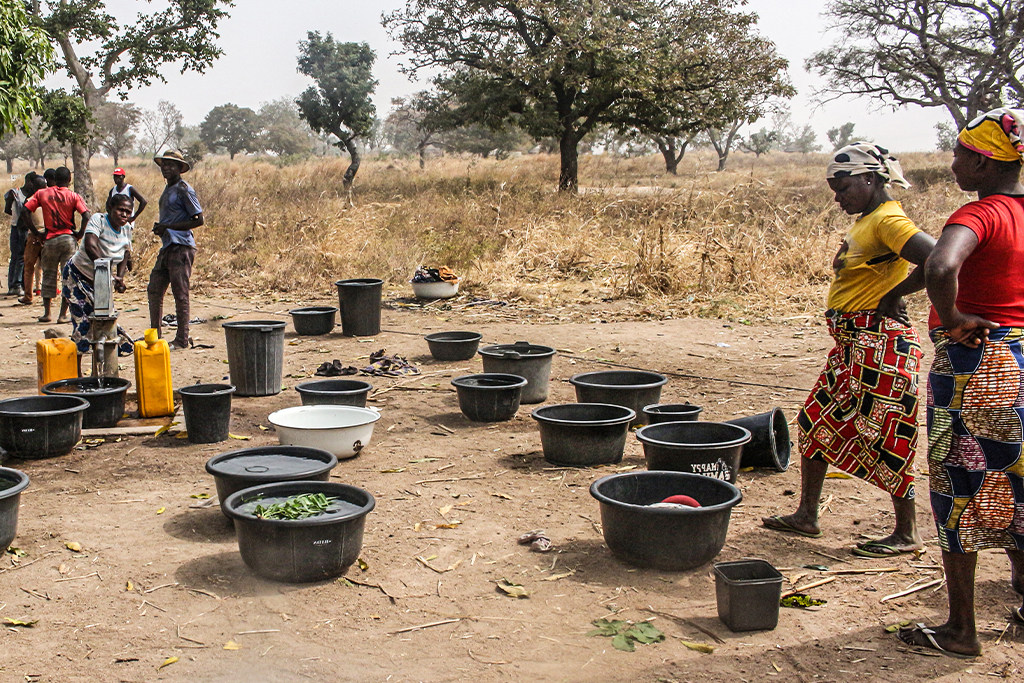
The critical aid that native workers provide to people internally displaced by violence now also goes to refugees from war-wracked Sudan – thousands have arrived in desperate need. “These people do not even come with clothing apart from what they wear,” the native ministry leader said. “Children who have not eaten for days are on their mothers’ backs, and others are being dragged trekking.” The ministry is striving to make tents for them and provide basic supplies leading to gospel opportunities. Workers need donations of $35 or $70 to provide food, sanitary items and other humanitarian aid. Pray for the safety of workers as they help people to recover their lives.
Send Aid and Gospel Hope in Nigeria
Violence and kidnapping have driven thousands of people from their homes, creating unprecedented opportunity for native Christian workers to share the gospel as they provide critical aid to the displaced. “We need 400 Hausa Bibles urgently and more audio Bibles in Hausa, Fulfulde and English,” the ministry leader said. “We need to give some of them bed sheets, blankets and bags of rice and maize. Please help these people, as many of them are dying of hunger.” The ministry provided aid to 13,000 displaced people over six months. Workers need donations to provide aid, Bibles and gospel hope to the displaced. Pray for worker safety as they minister amid many dangers.
Help Open Gospel Opportunities in Nigeria
Distributing more than 4,000 audio Bibles, workers followed up with many who indicated interest in the gospel and are leading them to Christ. “Two people who testified of how the Lord opened their eyes to understand his Word were so enthusiastic about knowing the Lord,” the ministry leader said. Workers also shared the gospel in Bible studies, outreach to the displaced, drilling boreholes for clean water and providing schooling for children. Two boys who had to flee their homes after workers led them to saving faith have received help with their school fees. Donations are sought for such gospel work. Pray the Word will take root and grow in new believers.