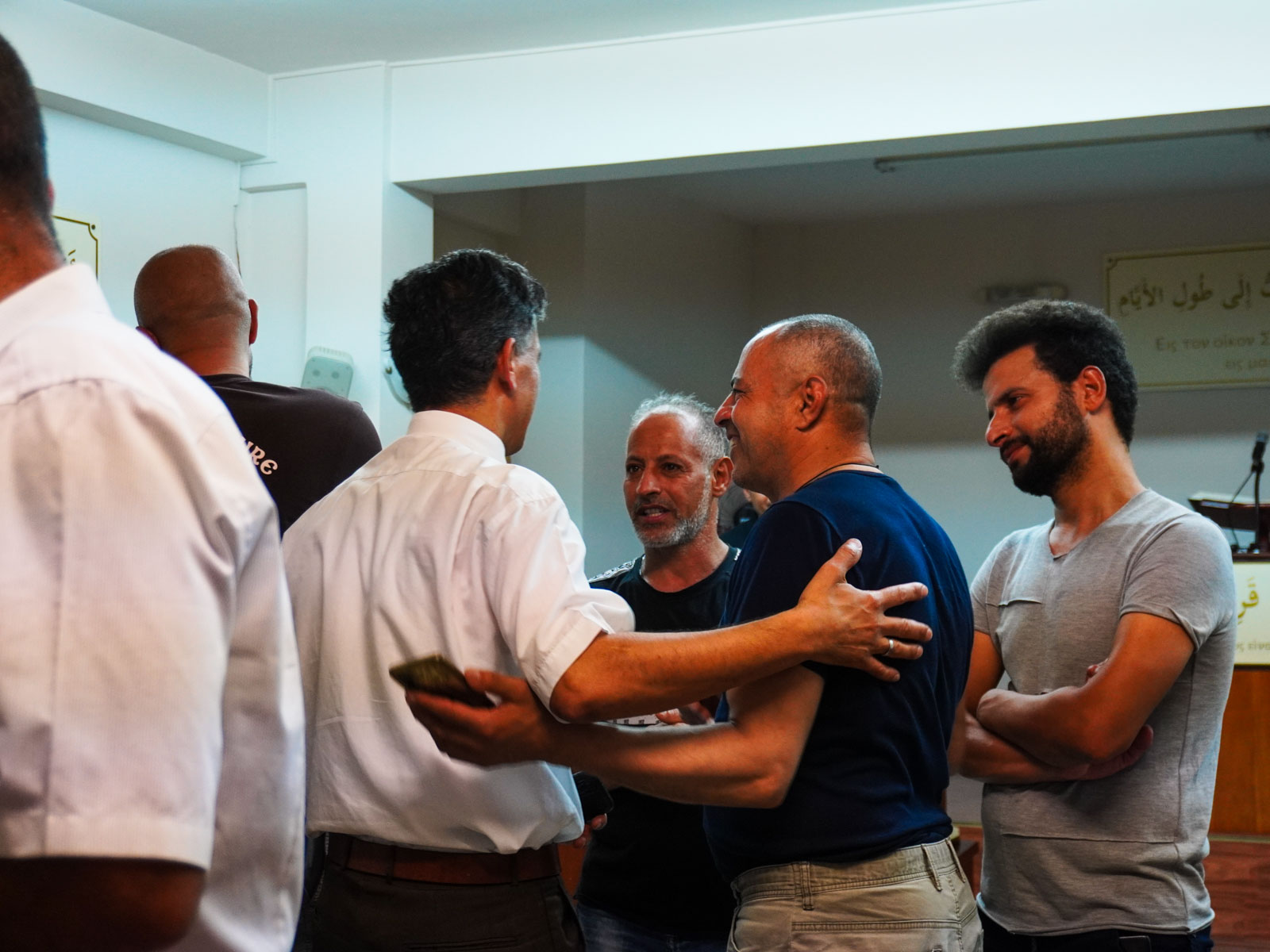
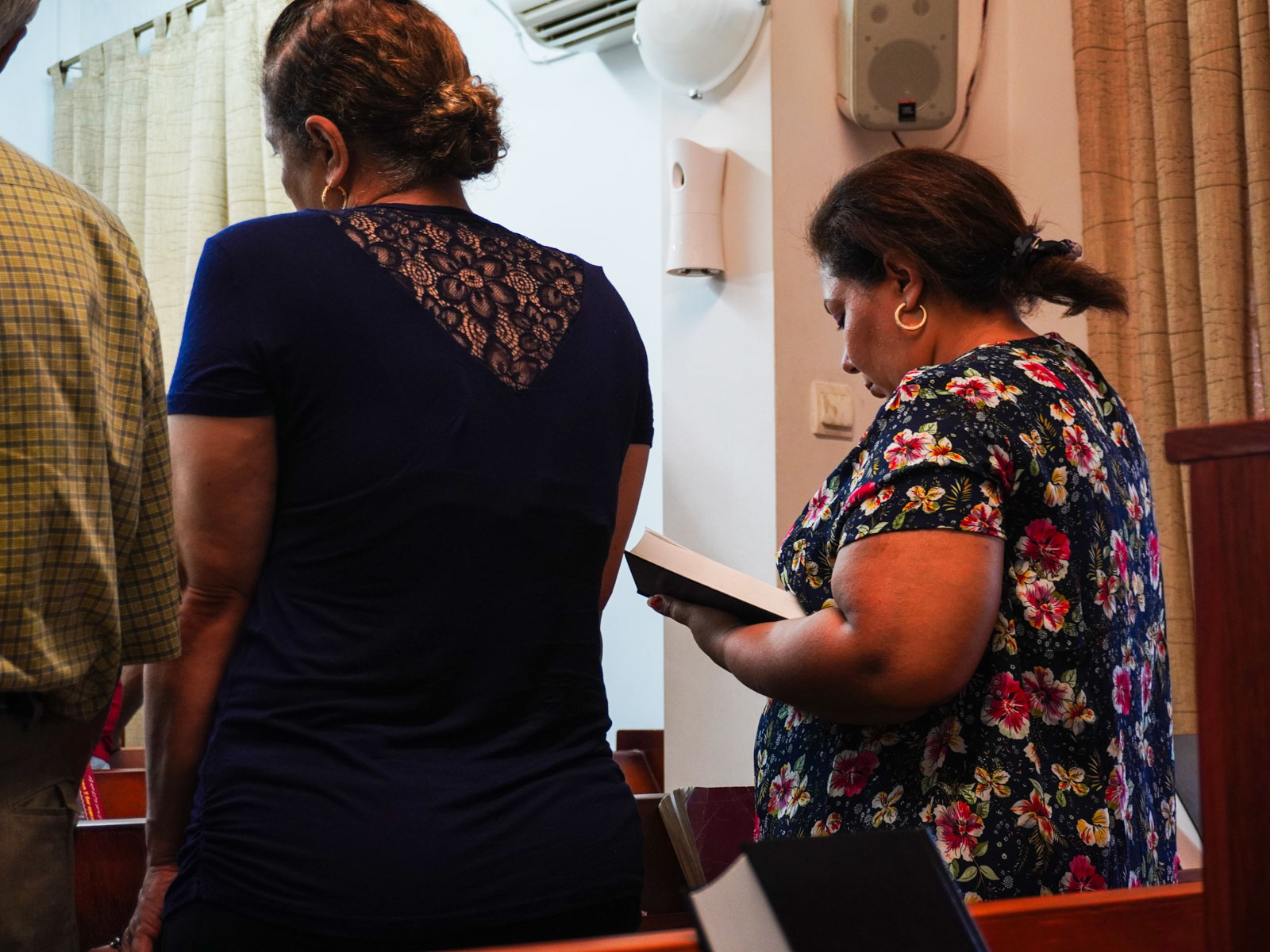
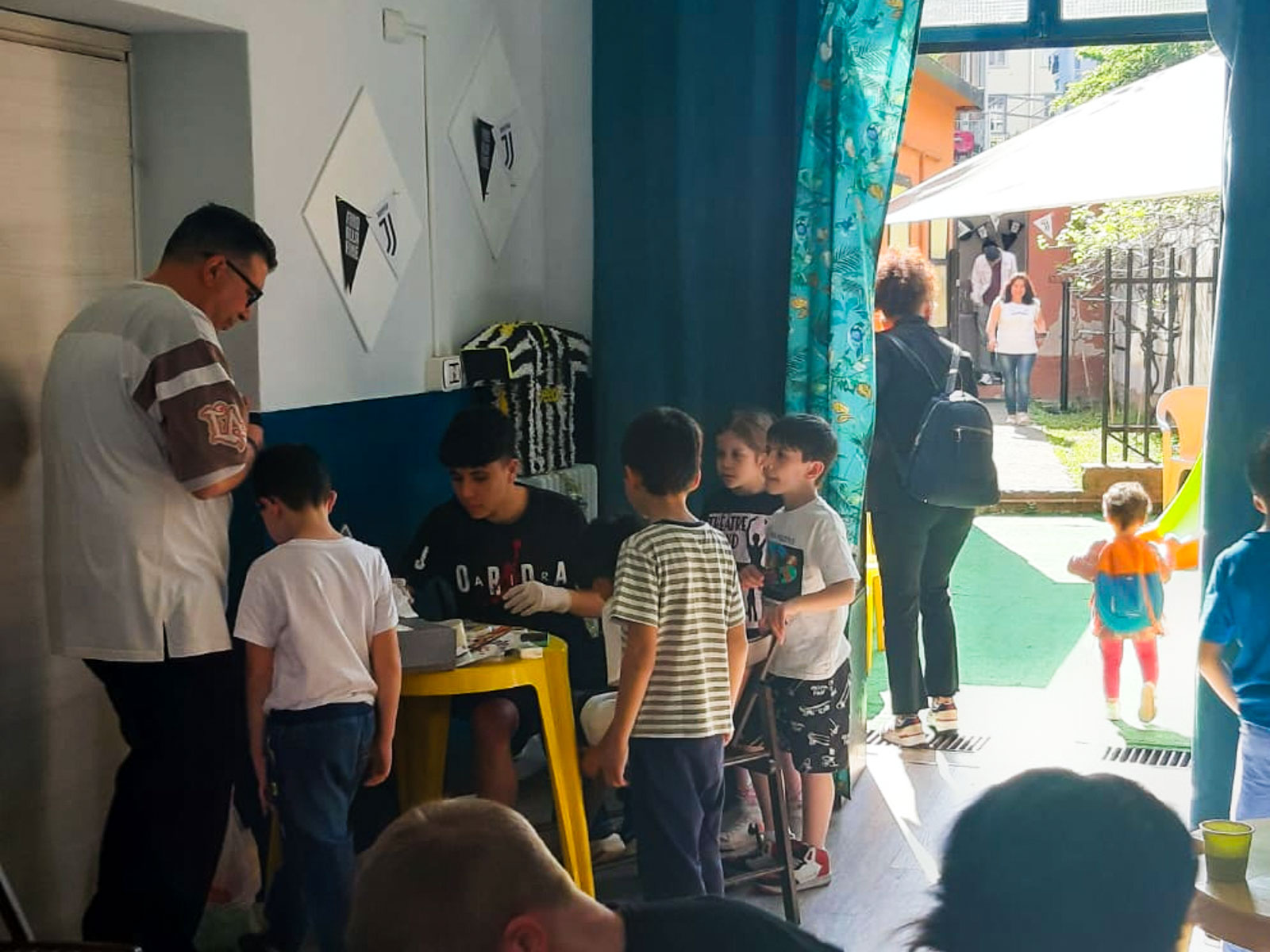
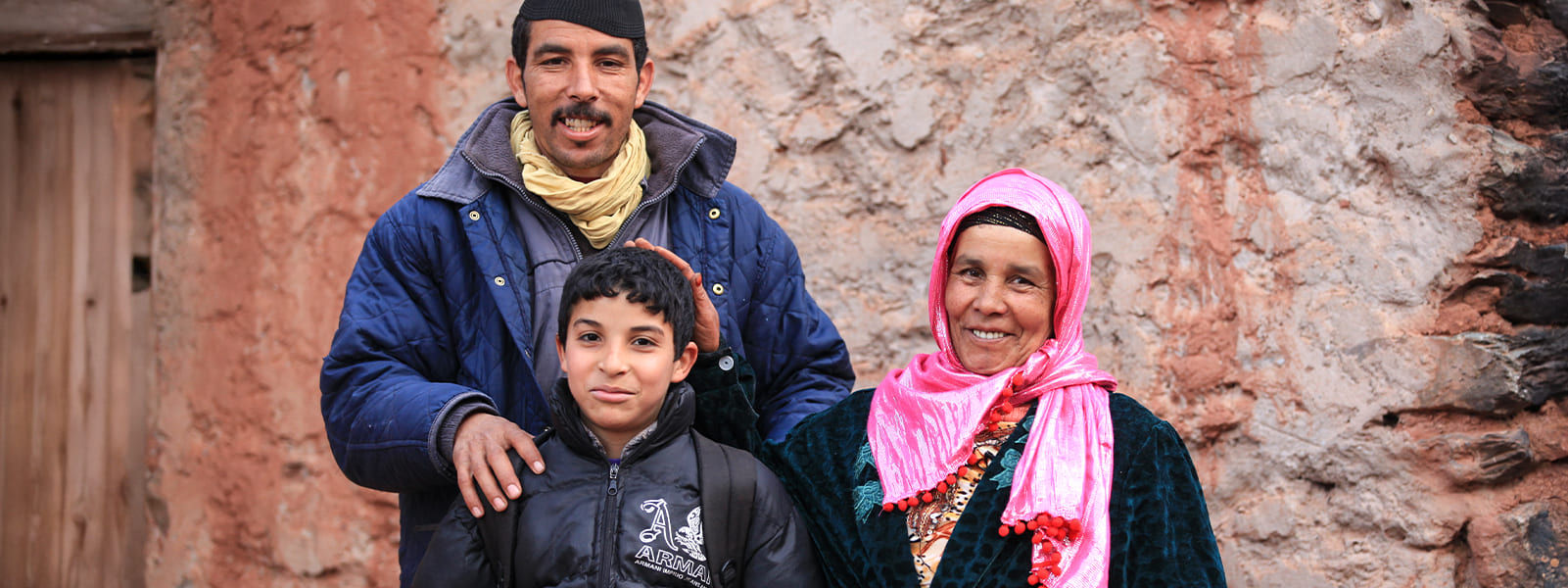
Continued unrest in the world has created so many refugees who are fleeing to Europe to find safe haven. What they typically find instead is resentment and prejudice from locals, homelessness, and hunger. The indigenous ministries in this region are like an oasis in the desert for weary souls, offering refugees food, clothing, and other basic necessities, along with counseling, shelter, and help to obtain asylum, medical treatment, and other services. Most importantly, ministry workers share the gospel with them and are leading many to Christ.
In Serbia, a ministry is supporting two church plants among the Romani people. Within the span of a few months, one of the churches baptized over 100 people. “The impact of this Romani church is huge,” the ministry leader said, “because many Romani people are coming from outside the city, region, or country to get baptized.”
 0
0
 0
0
 0
0
Indigenous ministries in Europe are taking the opportunity to share the love of Christ with the multitude of refugees who have fled their countries from war and terrorism. The practical aid that these ministries offer has opened the hearts of many refugees to the gospel message. Practical aid, however, is a constant need as indigenous ministries are inundated with requests for help. Your support will enable these ministries to provide vital food, medicine, and shelter in Jesus’ name to refugees in physical and spiritual need.


We use cookies to enhance your browsing experience, serve personalized ads or content, and analyze our traffic. By clicking "Accept All", you consent to our use of cookies.
Manage your cookie preferences below:
Essential cookies enable basic functions and are necessary for the proper function of the website.
CloudFlare provides web performance and security solutions, enhancing site speed and protecting against threats.
Service URL: developers.cloudflare.com (opens in a new window)
Google reCAPTCHA helps protect websites from spam and abuse by verifying user interactions through challenges.
Google Tag Manager simplifies the management of marketing tags on your website without code changes.
Marketing cookies are used to follow visitors to websites. The intention is to show ads that are relevant and engaging to the individual user.
Facebook Pixel is a web analytics service that tracks and reports website traffic.
Service URL: www.facebook.com (opens in a new window)
You can find more information in our Cookie Policy and .